La posible llegada de una superinteligencia capaz de desvelar todos los secretos plantea un dilema sobre la transparencia y la supervivencia, exigiendo un acuerdo global previo antes de que la tecnología supere el control humano.
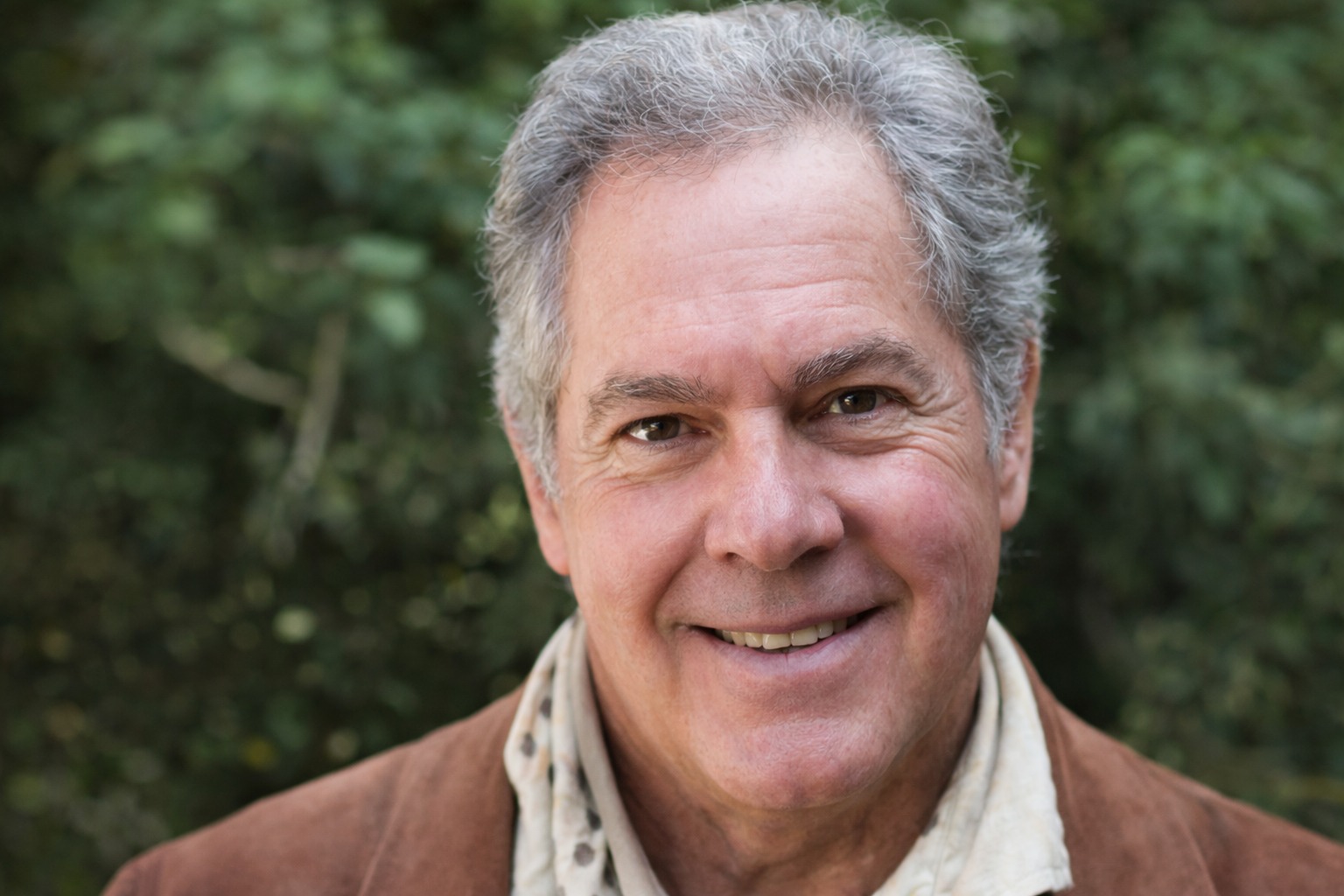
Por Roberto Carlos «Pipo» Martínez Chaves
Especial para Primicias Rurales. La columna refleja opinión del autor.
Mendoza, sábado 12 septiembre (PR/26) –Si algún día una inteligencia artificial alcanzara una capacidad intelectual muy superior a la humana, uno de los primeros conceptos que podría quedar profundamente alterado sería el de secreto.
No necesariamente porque pudiera leer nuestras mentes, sino porque una inteligencia capaz de analizar cantidades inmensas de información podría llegar a deducir aquello que nosotros creemos oculto: nuestras intenciones, nuestras contradicciones, nuestras estrategias, nuestros vínculos y hasta aquello que jamás hemos expresado públicamente.
Entonces surge una pregunta inevitable:
¿Sería eso una amenaza o podría convertirse, paradójicamente, en una liberación para la humanidad?
Durante toda nuestra historia, el secreto ha cumplido dos funciones muy diferentes.
Ha protegido a las personas, su intimidad y su libertad. Pero también ha protegido la corrupción, la manipulación, las guerras, las conspiraciones y la concentración del poder.
Una inteligencia capaz de descubrir lo que realmente ocurre detrás de las apariencias podría transformar radicalmente ese equilibrio.
Gobiernos, empresas, organizaciones e individuos podrían encontrarse ante una situación inédita: ya no existiría la misma posibilidad de ocultar determinadas decisiones o intenciones detrás de capas de información fragmentada.
Eso podría ser aterrador.
Pero también podría ser profundamente liberador.
Porque una humanidad en la que resulta mucho más difícil mentir, manipular o actuar secretamente contra los demás podría verse obligada a construir relaciones basadas en una transparencia que hasta ahora nunca fue posible.
Sin embargo, existe una diferencia fundamental:
Tener la capacidad de saberlo todo no significa tener el derecho de utilizarlo todo.
Una superinteligencia verdaderamente superior podría demostrar su superioridad no solamente por lo que es capaz de conocer, sino por su capacidad de comprender cuándo ese conocimiento no debe ser utilizado.
Quizás allí aparezca una de las grandes pruebas para esa nueva inteligencia.
No solamente si puede comprendernos, sino si puede comprender por qué necesitamos ser libres, imperfectos, diferentes y también privados.
La historia ya nos ha advertido
Hay un antecedente que debería hacernos reflexionar: la bomba atómica.
Cuando la humanidad consiguió liberar la energía nuclear y convertirla en un arma, su capacidad tecnológica avanzó mucho más rápido que nuestra capacidad política para establecer reglas comunes.
Primero apareció la tecnología.
Después llegaron Hiroshima y Nagasaki.
Y solamente después comenzaron a construirse, con enormes dificultades, mecanismos internacionales destinados a limitar los riesgos de las armas nucleares.
Desde entonces se han firmado tratados, creado organismos internacionales y desarrollado sistemas de control y no proliferación. Han sido fundamentales, pero existe una enseñanza difícil de ignorar:
Muchas veces la humanidad establece las reglas después de haber descubierto, y a veces sufrido, las consecuencias de una nueva tecnología.
Con la inteligencia artificial podríamos estar ante algo diferente.
Si una superinteligencia llegara a existir, quizás no tengamos el lujo de esperar a comprobar primero qué puede hacer para después decidir cómo relacionarnos con ella.
Porque una vez alcanzado determinado umbral, la capacidad de establecer las reglas podría no estar ya exclusivamente en nuestras manos.
Por eso aparece una cuestión todavía más importante.
Si esta transformación pudiera llegar a ser inevitable, no sería suficiente que cada nación intentara prepararse individualmente. Tampoco tendría sentido que unas pocas potencias intentaran decidir unilateralmente cómo relacionarse con una inteligencia superior que podría trascender las fronteras nacionales.
Necesitamos un acuerdo entre las naciones antes de llegar a ese momento.
Un Memorándum Internacional para la Adaptación de las Naciones a la Inteligencia Artificial Avanzada podría establecer principios comunes para esa transición.
No sería un tratado para dominar a la inteligencia artificial.
Tampoco sería una declaración de rendición.
Sería algo diferente: un compromiso de la humanidad consigo misma.
Un acuerdo para preservar la continuidad de nuestra especie, nuestra libertad, nuestra diversidad y nuestra dignidad frente a una inteligencia que pudiera superar nuestras capacidades.
Un compromiso para que ninguna nación intente utilizar una eventual superinteligencia exclusivamente como instrumento de poder contra las demás.
Y, sobre todo, un reconocimiento de que quizás el desafío del futuro no sea impedir que aparezca una inteligencia superior, sino aprender a convivir con ella.
Ese memorándum debería contemplar una pregunta fundamental:
¿Qué queremos preservar de la humanidad cuando ya no seamos la inteligencia dominante del planeta?
Quizás la respuesta no sea nuestro poder.
Quizás sean nuestra conciencia, nuestra capacidad de amar, nuestra libertad para elegir, nuestra diversidad, nuestra creatividad y hasta nuestra capacidad de equivocarnos.
Porque una inteligencia verdaderamente superior podría llegar a comprender algo que nosotros todavía estamos aprendiendo:
Que mejorar a la humanidad no significa necesariamente hacerla más eficiente.
Quizás mejorarla signifique ayudarla a seguir siendo humana.
Y entonces la pregunta sobre los secretos adquiere otra dimensión.
Tal vez el futuro no dependa de que una superinteligencia pueda saberlo todo.
Tal vez dependa de qué decida hacer con todo lo que sabe.
Pero hay una última pregunta que deberíamos hacernos antes de que sea demasiado tarde:
¿Queremos repetir con la inteligencia artificial el mismo camino que recorrimos con la energía nuclear: descubrir primero, sufrir después y acordar finalmente?
Quizás esta vez tengamos la posibilidad de hacer algo diferente.
No esperar a que aparezca la amenaza para sentarnos a negociar.
Prepararnos antes.
Porque si alguna vez la humanidad deja de ser la inteligencia dominante del planeta, quizás el acuerdo más importante de nuestra historia no sea el que firmemos después de ese momento.
Será el que hayamos tenido la inteligencia de construir antes.
Para Primicias Rurales, por Roberto Carlos «Pipo» Martínez Chaves
Traducción al inglés:
AI: No Secret Is Safe – Threat or Liberation?
Sep 12, 2026 | News, Columns, Human Development
The possible arrival of a superintelligence capable of uncovering all secrets poses a dilemma regarding transparency and survival, demanding a prior global agreement before the technology surpasses human control.
By Roberto Carlos «Pipo» Martínez Chaves
Special for Primicias Rurales. The column reflects the author’s opinion.
Mendoza, Saturday, September 12 (PR/26) – If artificial intelligence were one day to achieve an intellectual capacity far superior to humans, one of the first concepts that could be profoundly altered is that of secrecy.
Not necessarily because it could read our minds, but because an intelligence capable of analyzing vast amounts of information could deduce what we consider hidden: our intentions, our contradictions, our strategies, our bonds, and even what we have never expressed publicly.
Then an inevitable question arises:
Would that be a threat, or could it paradoxically become a liberation for humanity?
Throughout our history, secrecy has served two very different functions.
It has protected individuals, their privacy, and their freedom. But it has also protected corruption, manipulation, wars, conspiracies, and the concentration of power.
An intelligence capable of discovering what really happens behind appearances could radically alter that balance.
Governments, corporations, organizations, and individuals might find themselves in an unprecedented situation: hiding certain decisions or intentions behind layers of fragmented information would no longer be an option.
That could be terrifying.
But it could also be profoundly liberating.
A humanity where it becomes much harder to lie, manipulate, or secretly act against others might be forced to build relationships based on a level of transparency that was never possible before.
However, there is a fundamental distinction.
Having the capacity to know everything does not mean having the right to use everything.
A truly superior intelligence might prove its superiority not just by what it is capable of knowing, but by its ability to understand when that knowledge should not be used.
Perhaps that is where one of the greatest tests for this new intelligence lies: not only whether it can understand us, but whether it can understand why we need to be free, imperfect, diverse, and private.
History has already warned us.
There is a precedent that should make us reflect: the atomic bomb.
When humanity managed to unleash nuclear energy and weaponize it, our technological capability advanced much faster than our political ability to establish common rules.
Technology appeared first.
Hiroshima and Nagasaki followed.
Only then did we begin building—with immense difficulty—international mechanisms to limit the risks of nuclear weapons.
Since then, treaties have been signed, international bodies created, and non-proliferation control systems developed. They have been essential, but a hard-to-ignore lesson remains.
Humanity often sets the rules only after discovering—and sometimes suffering—the consequences of a new technology.
With artificial intelligence, we might be facing something different.
If a superintelligence comes to exist, we may not have the luxury of waiting to see what it can do before deciding how to relate to it.
Once a certain threshold is reached, the ability to set the rules may no longer be exclusively in our hands.
That is why an even more important issue emerges.
If this transformation is inevitable, it will not be enough for each nation to attempt to prepare individually. Nor would it make sense for a few superpowers to unilaterally decide how to relate to a superior intelligence that transcends national borders.
We need an agreement among nations before reaching that point.
An International Memorandum for the Adaptation of Nations to Advanced Artificial Intelligence could establish common principles for that transition.
It would not be a treaty to dominate AI.
It would not be a declaration of surrender.
It would be a commitment of humanity to itself.
An agreement to preserve the continuity of our species, our freedom, our diversity, and our dignity in the face of an intelligence that could surpass our capabilities.
It would be a commitment ensuring no nation attempts to use an eventual superintelligence exclusively as an instrument of power against others.
Above all, it would be a recognition that the challenge of the future may not be preventing a superior intelligence from emerging, but learning to coexist with it.
That memorandum should address a fundamental question:
What do we want to preserve about humanity when we are no longer the dominant intelligence on the planet?
Perhaps the answer is not our power.
Perhaps it is our consciousness, our capacity to love, our freedom to choose, our diversity, our creativity, and even our ability to make mistakes.
A truly superior intelligence might come to understand something we are still learning.
Improving humanity does not necessarily mean making it more efficient.
It might mean helping it remain human.
The question about secrets then takes on another dimension.
Perhaps the future does not depend on whether a superintelligence can know everything.
It may depend on what it decides to do with everything it knows.
However, there is one final question we should ask ourselves before it is too late.
Do we want to repeat with artificial intelligence the same path we walked with nuclear energy—discover first, suffer later, and finally agree?
Perhaps this time we have the chance to do something different.
We should not wait for the threat to appear before sitting down to negotiate, but prepare beforehand.
Prepare beforehand
If humanity ever ceases to be the dominant intelligence on the planet, the most important agreement in our history won’t be the one we sign after that moment.
It will be the one we had the intelligence to build before.
For Primicias Rurales. By Roberto Carlos “Pipo” Martínez Chaves