Un estudio cultural escrito por Ceridwen Dovey explora cómo la biblioterapia y la lectura de ficción actúan como una medicina para el alma, ayudando a superar duelos, ansiedades cotidianas y desafíos emocionales profundos mediante recomendaciones literarias personalizadas.
Los orígenes y la práctica actual de la biblioterapia
Buenos Aires, miércoles 23 septiembre (PR/26) — La biblioterapia moderna encuentra sus raíces en la antigua práctica de considerar las bibliotecas como lugares de curación, un método respaldado por Sigmund Freud durante sus sesiones de psicoanálisis y utilizado masivamente con soldados traumatizados tras la Primera Guerra Mundial.
Especialistas como Ella Berthoud y Susan Elderkin popularizaron esta disciplina en The School of Life, defendiendo que la ficción es la cura definitiva porque ofrece una experiencia transformadora genuina frente a los tradicionales libros de autoayuda.
A través de cuestionarios personalizados, estas expertas diagnostican dolencias emocionales —como rupturas amorosas, estancamiento laboral o miedo a la pérdida— y entregan recetas literarias con obras clásicas y contemporáneas para sanar el bienestar mental.
La neurociencia de la empatía y la simulación social
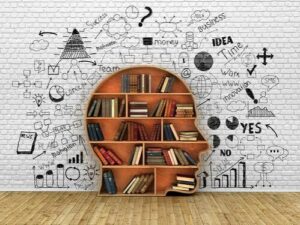
Investigaciones científicas modernas, respaldadas por el descubrimiento de las neuronas espejo, demuestran que leer sobre una experiencia activa las mismas regiones neurológicas que vivirla en primera persona, potenciando notablemente la empatía humana.
El profesor emérito Keith Oatley define a la ficción como una simulación mental que nos permite ensayar interacciones sociales, mejorar las habilidades interpersonales y procesar futuros posibles sin correr riesgos en el mundo real.
Por su parte, autores clásicos como Marcel Proust y George Eliot reflexionaron profundamente sobre cómo los libros amplifican nuestra experiencia humana, permitiéndonos conectar con nuestros semejantes más allá de los estrictos límites de la suerte personal.
Beneficios psicológicos y el arte de seleccionar lecturas
Aunque teóricas como Suzanne Keen cuestionan la relación directa entre leer novelas y generar conductas altruistas, la lectura constante reduce los niveles de estrés, mejora la calidad del sueño y disminuye los índices de depresión.
La autora Jeanette Winterson resume este efecto al afirmar que la poesía y la ficción curan la profunda ruptura que la realidad cotidiana produce constantemente en la imaginación de las personas.
Ante la abrumadora cantidad de obras publicadas en la actualidad, los especialistas recomiendan ser selectivos, consultar a un biblioterapeuta y recordar siempre las palabras inmortales de William Shakespeare: «Ven, y escoge de toda mi biblioteca, y así engaña tu pena».
Fuente: Artículo tomado de The New Yorker por Ceridwen Dovey (2015) y adaptado para Primicias Rurales
Versión en inglés
Can Reading Make Us Happier? The Therapeutic Power of Books and Fiction
A cultural commentary written by Ceridwen Dovey explores how bibliotherapy and the reading of fiction act as a medicine for the soul, helping to overcome grief, daily anxieties, and deep emotional challenges through personalized literary recommendations.
The Origins and Current Practice of Bibliotherapy
Modern bibliotherapy finds its roots in the ancient practice of considering libraries as places of healing, a method supported by Sigmund Freud during his psychoanalysis sessions and widely used with traumatized soldiers after World War I.
Specialists such as Ella Berthoud and Susan Elderkin popularized this discipline at The School of Life, arguing that fiction is the ultimate cure because it offers a genuine transformative experience compared to traditional self-help books.
Through personalized questionnaires, these experts diagnose emotional ailments—such as romantic breakups, career stagnation, or the fear of loss—and provide literary prescriptions featuring classic and contemporary works to heal mental well-being.
The Neuroscience of Empathy and Social Simulation
Modern scientific research, backed by the discovery of mirror neurons, demonstrates that reading about an experience activates the exact same neurological regions as living it firsthand, significantly boosting human empathy.
Professor Emeritus Keith Oatley defines fiction as a mental simulation that allows us to rehearse social interactions, improve interpersonal skills, and process possible futures without taking risks in the real world.
Meanwhile, classical authors such as Marcel Proust and George Eliot reflected deeply on how books amplify our human experience, allowing us to connect with our fellow human beings beyond the strict limits of personal fortune.
Psychological Benefits and the Art of Selecting Readings
Although theorists like Suzanne Keen question the direct link between reading novels and generating altruistic behaviors, consistent reading reduces stress levels, improves sleep quality, and lowers depression rates.
Author Jeanette Winterson summarizes this effect by stating that poetry and fiction cure the profound rupture that daily reality constantly produces in people’s imagination.
Given the overwhelming number of published works today, specialists recommend being selective, consulting a bibliotherapist, and always remembering the immortal words of William Shakespeare: «Come, and take choice of all my library, and thus beguile thy sorrow.»
Source: Article taken from The New Yorker by Ceridwen Dovey (2015) and adapted for Primicias Rurales
Traducción: María Marta Cafiero