Una reflexión profunda sobre los vínculos humanos, el amor y la naturalidad de las relaciones a través de la metáfora del curso de un río.
A veces la vida se parece a un río entre montañas: avanza, tropieza con piedras, cambia de rumbo y, aun así, sigue su camino. En esta columna quiero compartir pensamientos, historias y pequeñas escenas de la vida cotidiana que nos invitan a mirar las cosas desde otro lugar, con curiosidad, humor y, por qué no, un poco de emoción.
¿Por qué los ríos no suben la montaña?
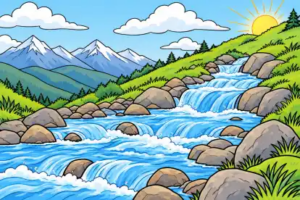
Una tarde, mientras miraba correr un río entre las piedras, alguien hizo una pregunta extraña:
—¿Por qué los ríos no suben la montaña?
La respuesta parecía sencilla … porque el agua busca bajar … porque sigue la pendiente … porque la gravedad la lleva hacia donde puede avanzar ….
Pero la pregunta quedó flotando y empezó a parecer menos geográfica y más humana.
También las relaciones tienen pendientes.
Y hay una imagen linda ahí: los ríos no , suben la montaña porque su destino en seguir la pendiente. A veces, avanzar no es ir hacia arriba; a veces es encontrar el cauce por el que uno puede seguir.
Hay vínculos que fluyen, conversaciones que encuentran su cauce. Personas con las que uno puede ser sin empujar nada. No hace falta perseguir. No hace falta insistir.
No hace falta escalar una montaña para que el otro se quede.
Todo ocurre con cierta naturalidad, como el agua.
Pero hay relaciones distintas.
Relaciones en las que uno empuja…Sostiene…Insiste….Espera….Justifica…..Vuelve a intentarlo…..Sube y vuelve a subir.
Como si quisiera obligar al río a ir en dirección contraria.
A veces alguien ama así.
Contra la pendiente. Contra la distancia. Contra la indiferencia.Contra todo aquello que muestra que el vínculo ya no encuentra su cauce.
Y entonces aparece el cansancio.
Porque subir una montaña exige fuerza.
Y ninguna relación debería requerir que una sola persona haga todo el esfuerzo de forma permanente.
Eso no significa que los vínculos verdaderos sean fáciles.
Los ríos también encuentran piedras. Se desvían. Se angostan. Se golpean contra las orillas.
A veces casi desaparecen. Pero siguen avanzando.
La diferencia está ahí.
Una cosa es superar obstáculos juntos y otra muy distinta es empujar solo algo que no quiere moverse.
Hay relaciones en las que ambas personas buscan una salida.
Y hay otras en las que una intenta construir un cauce mientras la otra ya ha tomado otro camino.
Entonces quizás aprender a querer también sea aprender a reconocer la pendiente.
Entender cuándo insistir. Cuándo acompañar. Cuándo esperar y cuándo dejar correr.
Porque no todo lo que se aleja está perdido, a veces simplemente está siguiendo su naturaleza.
Y no todo lo que uno suelta deja de importar.
Hay personas que pasan por nuestra vida como un río. Nos atraviesan. Nos dejan algo. Cambian nuestro paisaje.
Y después continúan.
Uno puede quedarse mirando el agua que se va y preguntarse por qué no vuelve hacia arriba.
Pero el río no está huyendo, está siguiendo su curso.
Tal vez las relaciones humanas sean parecidas. No todas están hechas para durar para siempre.
Algunas están hechas para acompañarnos durante un tramo, otras desembocan en algo enorme y algunas se secan antes de llegar.
Lo difícil es aceptar que querer no siempre basta para cambiar la dirección del agua.
Quizás por eso los ríos no suben la montaña, para recordarnos que hay cosas que no se sostienen por fuerza.
Que el amor no debería ser una lucha permanente contra la pendiente, que una relación sana necesita movimiento de ambos lados.
Y que, a veces, dejar de empujar no significa rendirse, sino comprender.
El río no sube la montaña.
Y tal vez nosotros tampoco debamos hacerlo cada vez que alguien decide estar del otro lado.
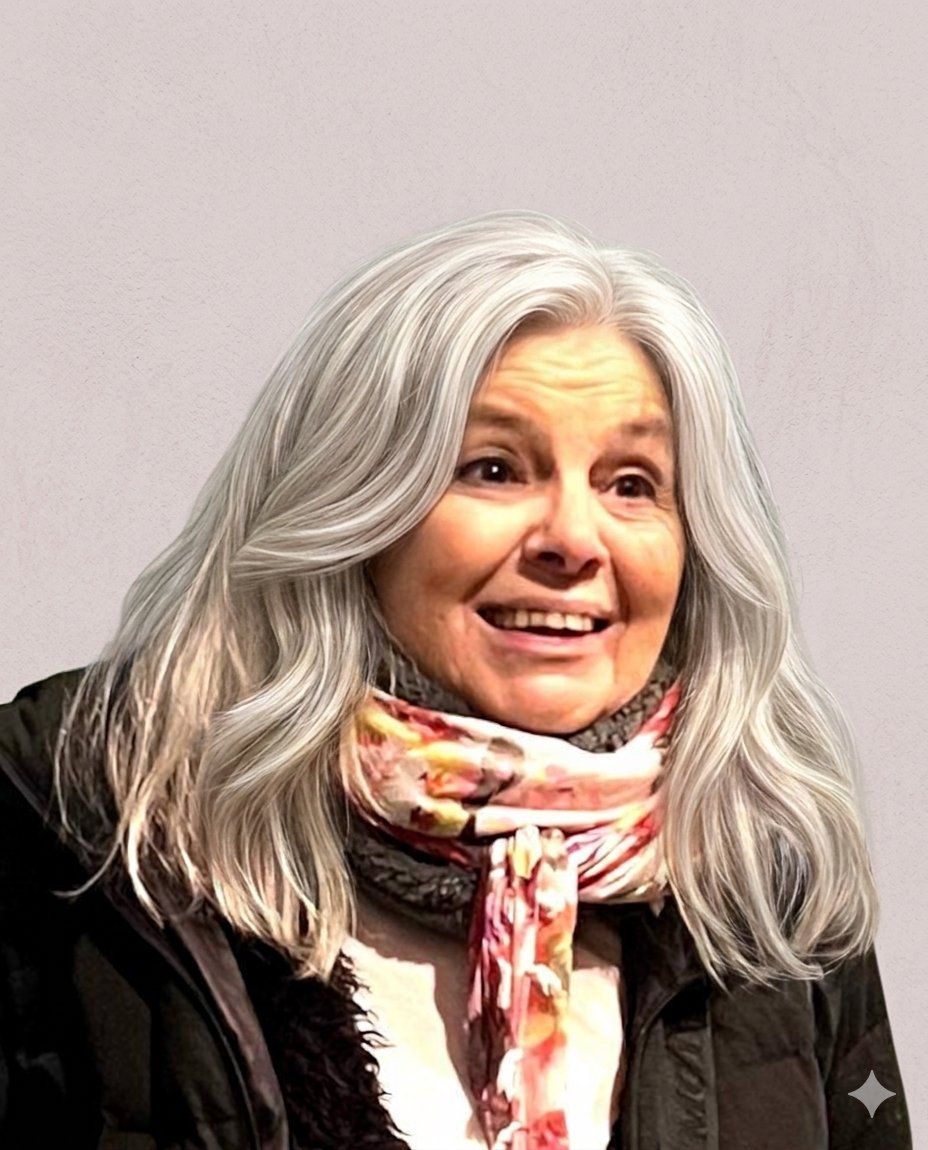
Por Susana Tribiani especial para Primicias Rurales
Versión en inglés:
Why Don’t Rivers Flow Up the Mountain?
By Susana Tribiani for Primicias Rurales (English version)
One afternoon, while watching a river flow among the rocks, someone asked a strange question:
—Why don’t rivers flow up the mountain?
The answer seemed simple… because water seeks to flow downward… because it follows the slope… because gravity carries it toward wherever it can move forward….
But the question lingered in the air, and it began to seem less geographical and more human.
Relationships have slopes too.
And there is something beautiful in that image: rivers don’t flow up the mountain because their nature is to follow the slope. Sometimes moving forward doesn’t mean going upward; sometimes it means finding the channel through which one can continue.
There are relationships that flow, conversations that find their natural course. People with whom you can simply be, without having to force anything. There is no need to chase. No need to insist.
You don’t have to climb a mountain to make someone stay.
Everything happens with a certain naturalness, like water.
But there are different kinds of relationships.
Relationships in which one person pushes… Holds on… Insists… Waits… Makes excuses… Tries again… Climbs and climbs again.
As if trying to force the river to flow in the opposite direction.
Sometimes someone loves that way.
Against the slope. Against the distance. Against indifference. Against everything that shows that the relationship is no longer finding its natural course.
And then exhaustion sets in.
Because climbing a mountain requires strength.
And no relationship should permanently require one person to do all the work.
That doesn’t mean genuine relationships are easy.
Rivers encounter rocks too. They change direction. They narrow. They crash against the banks.
Sometimes they almost disappear. But they keep moving forward.
That is where the difference lies.
One thing is to overcome obstacles together; quite another is to push alone against something that does not want to move.
There are relationships in which both people are looking for a way forward.
And there are others in which one person is trying to create a channel while the other has already taken a different path.
Perhaps learning how to love also means learning to recognize the slope.
Understanding when to insist. When to accompany. When to wait, and when to let things flow.
Because not everything that moves away is lost; sometimes it is simply following its nature.
And not everything we let go of stops mattering.
There are people who pass through our lives like a river. They run through us. They leave something behind. They change our landscape.
And then they continue on.
We may remain watching the water disappear and wonder why it doesn’t come back upstream.
But the river isn’t running away; it is following its course.
Perhaps human relationships are similar. Not all of them are meant to last forever.
Some are meant to accompany us for a stretch of the journey; others flow into something vast, and some dry up before they reach their destination.
The difficult part is accepting that wanting something isn’t always enough to change the direction of the water.
Perhaps that is why rivers don’t flow up the mountain: to remind us that there are things that cannot be sustained through force.
That love should not be a constant struggle against the slope, that a healthy relationship requires movement from both sides.
And that, sometimes, stopping yourself from pushing doesn’t mean giving up; it means understanding.
The river does not flow up the mountain.
And perhaps neither should we, every time someone chooses to stand on the other side.
Traducción: María Marta Cafiero