Cada 25 de septiembre la Argentina celebra el Día Nacional de la Ballena Franca Austral, una fecha que nació en 2002 en Puerto Pirámides, cuando toda una comunidad se unió para liberar a un juvenil atrapado en las cadenas del fondeo de un catamarán.
Buenos Aires lunes 6 octubre (PR/26)– Detrás del Día Nacional de la Ballena Franca Austral hay una historia que todavía habla de la relación entre las personas y los gigantes del mar. La fecha se conmemora cada 25 de septiembre y nació en Puerto Pirámides, en Chubut, a partir de un rescate que movilizó a toda una comunidad.
El día que Garra quedó atrapado
Todo ocurrió el 25 de septiembre de 2002, cuando Garra, un juvenil de ballena franca austral, quedó enredado en las cadenas del fondeo de un catamarán de avistaje en la bahía de Puerto Pirámides.
Los primeros en intentar ayudarlo fueron los guías balleneros y los buzos locales. Sin embargo, las cadenas estaban bajo el agua y no era posible llegar hasta ellas con seguridad.
Una decisión tan riesgosa como necesaria
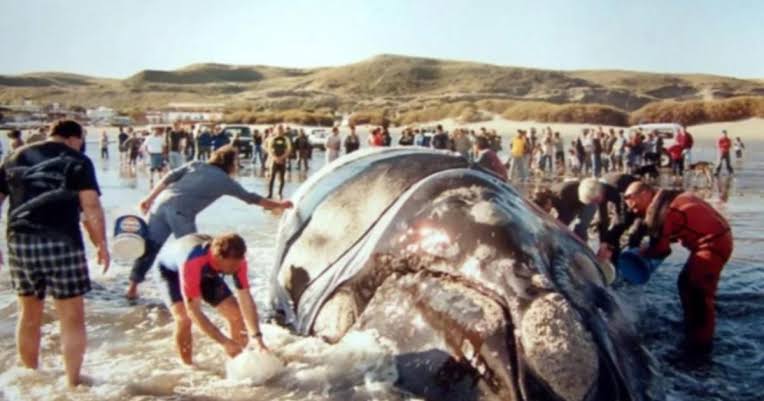
Entonces tomaron una decisión difícil: varar intencionalmente a la ballena para poder cortar las cadenas desde la playa. Era una maniobra peligrosa, que exigía mucho conocimiento y experiencia, pero no había otra manera de liberarlo.
El juvenil tenía unas manchas particulares sobre el lomo, parecidas a las marcas de una garra, y de ahí le vino el nombre. Mientras esperaban la marea alta, los equipos mantuvieron frescas las cadenas cortadas para evitar que lastimaran al animal.
En el rescate participaron guías, buzos, guardafaunas y miembros de la comunidad vinculada al avistaje. También colaboró personal de la Armada Argentina, que realizaba relevamientos aéreos junto al Instituto de Conservación de Ballenas.
Un regreso al mar con final feliz
Al atardecer, cuando la marea volvió a cubrirlo y recuperó su flotabilidad, Garra pudo regresar al mar. A lo lejos, otra ballena lo esperaba.

Era muy probable que se hubiera separado de su madre apenas unos días o semanas antes. Es que, durante su primer año de vida, los ballenatos permanecen junto a sus madres, de quienes dependen para alimentarse y aprender a desenvolverse en el océano.
Lo que descubrió la ciencia
Con el tiempo, la investigación permitió reconstruir parte de la historia de aquel juvenil. A través de la foto-identificación se determinó que Garra había nacido en 2001 y que era hijo de Victoria, una ballena conocida por el programa de investigación de Ballena Franca Austral desde sus primeros registros.
También se pudo establecer que tenía apenas un año cuando quedó atrapado y que probablemente acababa de comenzar su vida independiente. La historia tuvo además un final alentador: Garra sobrevivió a las heridas y al estrés provocado por el accidente, y volvió a ser observado en 2006.
Su caso, sin embargo, dejó una advertencia que sigue vigente: redes, sogas, cadenas, fondeos y otros elementos utilizados en actividades humanas pueden convertirse en trampas mortales para las especies marinas.
Una especie que vuelve cada año al Golfo San Matías
Más de dos décadas después de aquel rescate, las ballenas francas australes siguen llegando cada año a las costas de la Patagonia. En Río Negro, durante el invierno y la primavera, el Golfo San Matías forma parte del territorio que utilizan para completar distintas etapas de su ciclo de vida.
La especie es Monumento Natural Nacional y de Río Negro, un reconocimiento a su importancia para la conservación. Su presencia, además, forma parte de una de las grandes experiencias de naturaleza que ofrece la costa rionegrina.
Ciencia y conservación en la costa rionegrina
En las Áreas Naturales Protegidas de la provincia, equipos técnicos y Guardas Ambientales realizan tareas de observación, registro y seguimiento de la fauna marina.
Este trabajo se complementa con campañas científicas junto a organizaciones especializadas, que permiten conocer mejor la presencia, distribución y comportamiento de las especies del Golfo San Matías.
El monitoreo forma parte además del Corredor de los 5 Grandes, una estrategia provincial que integra investigación científica, conservación marina y desarrollo sostenible en más de 150 kilómetros de costa, entre El Cóndor y San Antonio Este. La iniciativa incluye a otras especies emblemáticas como orcas, delfines, lobos marinos y tiburones.
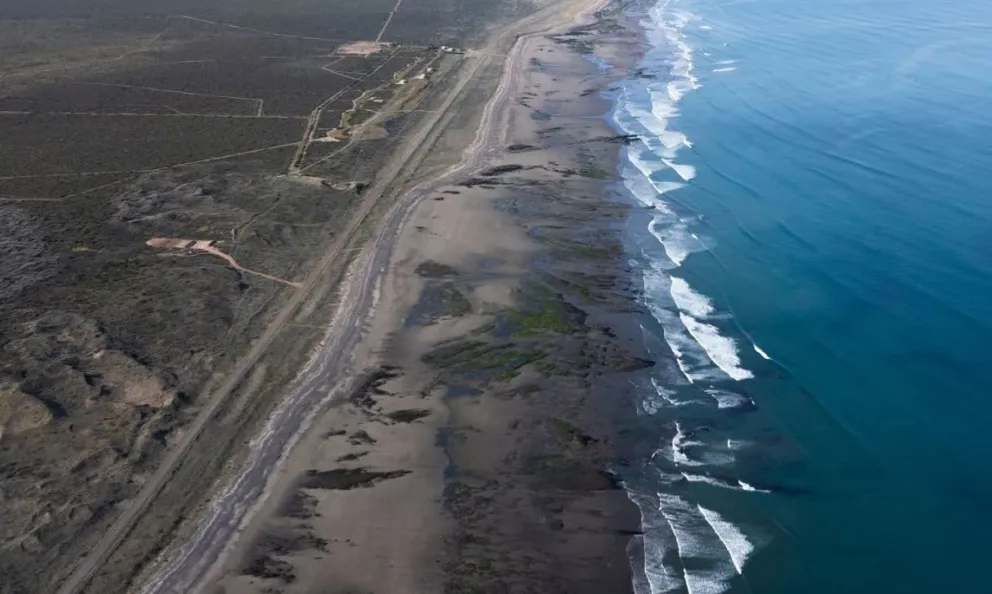
Toda esa información permite mejorar las herramientas de conservación y gestión de las Áreas Naturales Protegidas, y también ayuda a que el turismo de naturaleza crezca de manera responsable.
Para quienes llegan a la costa, la recomendación es respetar las distancias establecidas, cumplir las normas vigentes, no arrojar residuos y elegir prestadores habilitados.
Una historia que sigue inspirando
La historia de Garra quedó como un recuerdo de lo que puede ocurrir cuando una comunidad conoce, valora y se involucra con la fauna que la rodea. La ballena sobrevivió y volvió al mar.
Y cada septiembre, cuando se celebra su día, aquella historia vuelve a poner en primer plano la importancia de cuidar un océano que todavía guarda muchas vidas por conocer.
Primicias Rurales
Fuente: Diario Río Negro
Versión en inglés
The southern right whale day: the story of Garra, science and conservation to protect the giants of the sea
Every September 25, Argentina commemorates National Southern Right Whale Day. The date originated from an incident in Puerto Pirámides in 2002, when a young whale became trapped in the mooring chains of a catamaran and an entire community mobilized to save it. Today, the species is a National and Río Negro Natural Monument, and every year it returns to the San Matías Gulf during the winter and spring.
Buenos Aires lunes 6 octubre (PR/26)– There is a story behind this date that still speaks to the relationship between people and whales. It took place on September 25, 2002, when Garra, a juvenile southern right whale, became entangled in the mooring chains of a whale-watching catamaran in Puerto Pirámides Bay, Chubut.
The first to attempt the rescue were local whale-watching guides and divers. But the chains were underwater, and they could not reach them safely. They therefore made a decision that was as risky as it was necessary: intentionally beaching the whale so that the chains could be cut from the shore. It was a dangerous maneuver that required knowledge and experience, but there was no other way to free the animal.
The juvenile had distinctive markings on its back, resembling claw marks, which is why it was given that name. While they waited for the high tide, the teams kept the severed chains wet to prevent them from injuring the animal. The rescue involved guides, divers, wildlife rangers, members of the local whale-watching community, and even Argentine Navy personnel who were assisting with aerial surveys alongside the Whale Conservation Institute.
At sunset, when the rising tide covered him again and he regained his buoyancy, Garra was able to return to the sea. In the distance, another whale was waiting for him. It was highly likely that he had been separated from his mother only days or weeks earlier. During their first year of life, calves remain with their mothers, on whom they depend for nourishment and to learn how to navigate life in the ocean.
Over time, research helped reconstruct part of the juvenile’s history. Through photo-identification, researchers determined that Garra had been born in 2001 and was the offspring of Victoria, a whale known to the Southern Right Whale research program since its earliest records. Researchers were also able to establish that he was only one year old when he became trapped and had probably just begun his independent life.
The story also had an encouraging ending. Garra survived the injuries and stress caused by the accident and was sighted again in 2006. His case, however, left a warning that remains relevant today: nets, ropes, chains, mooring systems and other equipment used in human activities can become deadly traps for marine species.
A Species That Returns to the San Matías Gulf Every Year
More than two decades after that rescue, southern right whales continue to arrive every year along the Patagonian coast. In Río Negro, during the winter and spring months, the San Matías Gulf forms part of the habitat they use to complete different stages of their life cycle.
The species is designated a National Natural Monument and a Río Negro Natural Monument, in recognition of its importance for conservation. Its presence is also part of one of the great nature experiences offered along the Río Negro coast.
In the province’s Protected Natural Areas, technical teams and Environmental Rangers carry out observation, recording and monitoring activities involving marine wildlife. This work is complemented by scientific campaigns conducted in partnership with specialized organizations, helping researchers gain a better understanding of the presence, distribution and behavior of species in the San Matías Gulf.
The monitoring is also part of the Five Giants Corridor, a provincial strategy that integrates scientific research, marine conservation and sustainable development along more than 150 kilometers of coastline, between El Cóndor and San Antonio Este. The initiative also includes other emblematic species such as orcas, dolphins, sea lions and sharks.
All this information helps improve conservation and management tools for Protected Natural Areas, while also helping nature tourism grow responsibly. For visitors arriving on the coast, the recommendation is to respect established distances, comply with current regulations, avoid littering and choose authorized tourism operators.
Garra’s story has remained as a reminder of what can happen when a community knows, values and becomes involved with the wildlife around it. The whale survived and returned to the sea. And every September, when his day is celebrated, that story once again brings to the forefront the importance of protecting an ocean that still holds many lives waiting to be discovered.
Traducción al inglés por: María Marta Cafiero