El oficialismo tiene una estrategia clara y delineada a horas de conocer el fallo del Tribunal del Derecho del Mar tras la controversia sobre el proyecto petrolero Sea Lion. Los principales ejes.

Por Juan Pablo Kavanagh
Periodista de la sección Política. Acreditado en Casa de Gobierno.
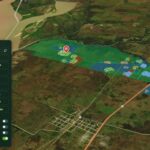
El proyecto petrolero Sea Lion se encuentra ubicado en el área de las Islas Malvinas.
Foto: Agencia NA (Web)
Buenos Aires, viernes 27 noviembre (PR/26) — El Gobierno trazó un escenario, bajo argumentos y expectativas, sobre el evento más importante de este sábado: la aparición del fallo del Tribunal Internacional del Derecho del Mar acerca del futuro del proyecto petrolero en las Islas Malvinas denominado Sea Lion. Una decisión que estará siendo monitoreada por el presidente Javier Milei desde su quinta de Olivos.
La determinación se conocerá este sábado a las 8 de la mañana en la Argentina y marcará el rumbo de una iniciativa que el Gobierno había instalado en agenda justo en medio del fervor por la causa Islas Malvinas que se despertó con el partido del Mundial de Fútbol entre la Scaloneta e Inglaterra.
Con reclamos renovados de soberanía sobre el archipiélago nacional y una ley pendiente de debate parlamentario (la Ley de Defensa de la Soberanía Nacional) que endurece penas sobre la explotación de recursos naturales en la zona.
En diálogo con Agencia Noticias Argentinas, fuentes oficiales destacan que el paso que dio el oficialismo, en el ámbito internacional para impedir la actividad económica sin permisos del Estado nacional en Malvinas, fue más que importante.
En concreto, Argentina busca impedir toda nueva perforación de explotación e instalación de infraestructura vinculada al proyecto Sea Lion; proteger el medio ambiente, los derechos nacionales en el archipiélago y evitar nuevas acciones que agraven la controversia. Esas fueron las cuatro medidas que llevó el Gobierno al tribunal para evitar el saqueo de los recursos.
¿Qué puede suceder en la Justicia con este panorama? El tribunal puede fallar a favor del Estado y darle la razón en el conjunto del reclamo o solo en algunos puntos. También puede disponer del freno completo del proyecto Sia Lion.
Otra opción que se baraja es que disponga que no tiene competencia para intervenir y no avance con ninguna decisión. O, directamente, determine algo que no esté basado en los ejes de la presentación del Gobierno.
Una aclaración que en Balcarce 50 consideran vertebral: el fallo del sábado no establecerá la soberanía sobre las islas. No está en pleno debate en esta instancia. No obstante, valoran que se haya avanzado en el tribunal del derecho internacional, con Inglaterra obligada a presentar y plantear posiciones “en busca de justificar lo injustificable, que es el saqueo de nuestros recursos”, comentaron ante este medio.
Los tiempos son clave en esta historia: Argentina avanzó bajo la necesidad de preservar recursos naturales para no dilatar la instancia arbitraje. Porque considera que si Sea Lion se vuelve operativo en la zona, no habrá vuelta atrás en cuanto a los daños.
Otro eje de la administración Milei está relacionado al futuro pos fallo. Porque, dicen, la estrategia integral sobre las Islas Malvinas no se agota solamente a esta presentación sino a un conjunto de medidas. Lógicamente, la ley que aumenta penas para la explotación de recursos naturales en la zona es una. La apuesta es que sea tratada en sesiones extraordinarias.
Y anticipan que habrá nuevas medidas y presentaciones en defensa de los recursos de Malvinas en el plano jurídico, económico y diplomático. Movimientos que cuentan con el aval total del jefe de Estado, que estará siguiendo el curso de los acontecimientos desde la quinta de Olivos.
Fuente: Agencia NA
Primicias Rurales
Versión en inglés
The Government and the Malvinas Ruling: Scenario, Arguments, and Expectations
Nov 27, 2026 | Current Affairs, Economy / Agricultural Economy, Special Report, Malvinas
The ruling administration has a clear, well-defined strategy just hours before learning the verdict of the Tribunal for the Law of the Sea regarding the controversy over the Sea Lion oil project. Here are the main points.
By Juan Pablo Kavanagh Politics section journalist. Accredited at Government House.
Caption: The Sea Lion oil project is located in the Malvinas Islands area. Photo: Agencia NA (Web)
Buenos Aires, Friday, November 27 (PR/26) — The Government has outlined a scenario, along with arguments and expectations, regarding this Saturday’s most important event: the release of the International Tribunal for the Law of the Sea ruling on the future of the oil project in the Malvinas Islands known as Sea Lion. The decision will be closely monitored by President Javier Milei from his Olivos residence.
The ruling will be announced this Saturday at 8:00 AM in Argentina and will set the course for an initiative the Government placed on its agenda right amid the fervor for the Malvinas Islands cause sparked by the World Cup match between «La Scaloneta» (the Argentine national team) and England.
This comes alongside renewed sovereignty claims over the national archipelago and a bill pending parliamentary debate (the National Sovereignty Defense Law) that increases penalties for exploiting natural resources in the area.
Speaking with Agencia Noticias Argentinas, official sources emphasized that the step taken by the administration in the international arena to prevent economic activity in the Malvinas without permits from the national government was highly significant.
Specifically, Argentina seeks to prevent all new exploratory drilling and infrastructure installation linked to the Sea Lion project; protect the environment and national rights in the archipelago; and avoid further actions that aggravate the dispute. Those were the four measures the Government brought before the tribunal to prevent the plundering of resources.
What could happen in court given this outlook? The tribunal may rule in favor of the State and agree with the claim in its entirety or only on certain points. It could also order a complete halt to the Sea Lion project.
Another option being considered is that the tribunal may declare it lacks jurisdiction to intervene and refrain from moving forward with any decision—or, directly, issue a ruling not based on the core points of the Government’s filing.
One clarification that Balcarce 50 (Government House) considers fundamental: Saturday’s ruling will not establish sovereignty over the islands. That issue is not under direct debate in this instance. Nevertheless, officials value having made progress in the international court of law, forcing England to appear and present arguments «in an effort to justify the unjustifiable, which is the plundering of our resources,» sources told this outlet.
Timing is key in this story: Argentina moved forward out of the need to preserve natural resources so as not to delay the arbitration process, believing that if Sea Lion becomes operational in the area, the resulting damage will be irreversible.
Another pillar of the Milei administration’s approach relates to the post-ruling future. Officials say the comprehensive strategy regarding the Malvinas Islands is not limited solely to this legal filing, but encompasses a broader set of measures. Naturally, the bill increasing penalties for the exploitation of natural resources in the area is one of them, with the administration betting on having it debated during extraordinary congressional sessions.
They also anticipate new measures and filings in defense of Malvinas resources across legal, economic, and diplomatic fronts—moves that have the full backing of the Head of State, who will follow the unfolding events from the Olivos residence.
Source: Agencia NA
Primicias Rurales.
Traducción al inglés: María Marta Cafiero