Malvinas: el Gobierno pedirá cautelares contra el Reino Unido ante un tribunal internacional (Artículo traducido al inglés)

Malvinas: el Gobierno pedirá cautelares contra el Reino Unido ante un tribunal internacional (Artículo traducido al inglés)

La presentación apunta a frenar la explotación unilateral de hidrocarburos en el área de las Islas Malvinas y se realizará ante el Tribunal Internacional del Derecho del Mar.


Buenos Aires,  jueves 8 octubre (PR/26) — La Argentina avanzará la próxima semana con un pedido de medidas provisionales ante el Tribunal Internacional del Derecho del Mar para intentar frenar las actividades hidrocarburíferas que impulsa el Reino Unido en las Islas Malvinas. La presentación se realizará al vencer el plazo de dos semanas que había fijado el Gobierno nacional.

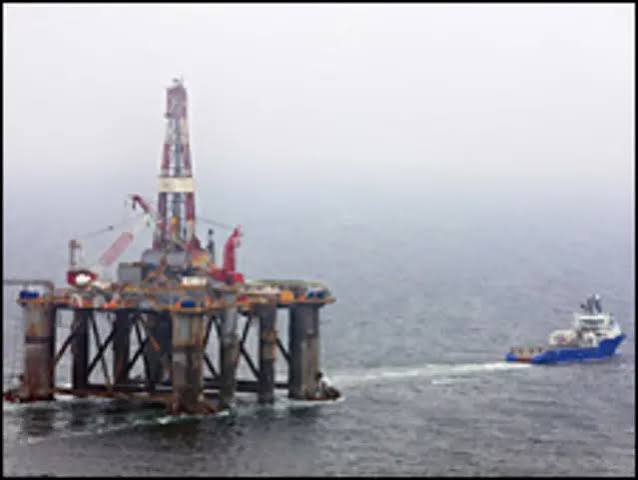
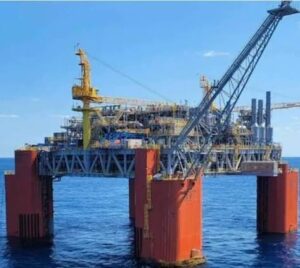
El reclamo apunta particularmente al proyecto Sea Lion, en la Cuenca Malvinas Norte, donde las empresas Navitas Petroleum y Rockhopper Exploration anunciaron planes para comenzar la extracción de petróleo en 2028.


El Ejecutivo había intimado formalmente a Londres el 28 de septiembre para que adoptara medidas destinadas a impedir el inicio o la continuidad de esas actividades. En caso contrario, anticipó que recurriría al tribunal internacional con sede en Hamburgo.


El pedido no buscará que el organismo se pronuncie sobre la soberanía de las islas, cuestión que excede sus competencias, sino que analice si una de las partes puede avanzar por su cuenta con la explotación de recursos no renovables en un área cuya jurisdicción permanece en disputa.


El Tribunal Internacional del Derecho del Mar está integrado por 21 jueces y sus decisiones sobre medidas provisionales son obligatorias para las partes. La Argentina ya recurrió a ese ámbito en 2012 por la retención de la Fragata Libertad en Ghana, caso en el que el tribunal ordenó la liberación del buque.


La disputa por los hidrocarburos se sumó además a otros cruces recientes entre Buenos Aires y Londres. El Gobierno denunció vuelos de una empresa británica entre Punta Arenas y las islas sin autorización argentina y anunció procedimientos sancionatorios, denuncias penales y gestiones diplomáticas.

En paralelo, la administración de Javier Milei endureció las advertencias contra las compañías vinculadas al proyecto petrolero.

De acuerdo con el Gobierno, algunos proveedores comenzaron a apartarse de las operaciones ante la posibilidad de recibir sanciones en la Argentina.


Primicias Rurales
Fuente: https://www.labrujula24.com/


Versión en inglés

Malvinas Islands: Argentina to Seek Provisional Measures Against the United Kingdom Before International Tribunal (English version)

The filing is aimed at halting the unilateral exploitation of hydrocarbons in the Malvinas Islands area and will be submitted to the International Tribunal for the Law of the Sea.

Source: La Brújula 24

Argentina will move forward next week with a request for provisional measures before the International Tribunal for the Law of the Sea (ITLOS) in an attempt to halt the hydrocarbon activities being pursued by the United Kingdom in the Malvinas Islands area. The filing will be made after the expiration of the two-week period set by the Argentine Government.

The claim focuses particularly on the Sea Lion project, located in the North Malvinas Basin, where Navitas Petroleum and Rockhopper Exploration have announced plans to begin oil production in 2028.

On September 28, the Argentine Executive Branch formally demanded that London take measures to prevent the start or continuation of those activities. Otherwise, the government announced that it would turn to the international tribunal, which is headquartered in Hamburg, Germany.

The legal strategy is based on the United Nations Convention on the Law of the Sea (UNCLOS). Foreign Minister Pablo Quirno explained that this would be the first time Argentina has brought before an international tribunal a dispute concerning the unilateral exploitation of natural resources in the Malvinas Islands area.

The request will not seek a ruling on sovereignty over the islands, a matter that falls outside the tribunal’s jurisdiction. Instead, Argentina intends to ask whether one party may unilaterally proceed with the exploitation of non-renewable resources in an area whose jurisdiction remains disputed.

The International Tribunal for the Law of the Sea is composed of 21 judges. Under UNCLOS, the tribunal may prescribe provisional measures in certain circumstances before the arbitral tribunal constituted under the Convention has been established. Argentina’s current strategy is to seek such measures while the broader arbitration proceeds.

Argentina previously appeared before the tribunal in 2012 in connection with the detention of the ARA Libertad in Ghana. In that case, the tribunal ordered the vessel’s release.

The hydrocarbon dispute has also added to a series of recent confrontations between Buenos Aires and London. The Argentine Government has denounced flights operated by a British company between Punta Arenas, Chile, and the Malvinas Islands without Argentine authorization, and has announced administrative sanctioning proceedings, criminal complaints and diplomatic measures.

Meanwhile, the administration of President Javier Milei has intensified its warnings against companies linked to the oil project. According to the Argentine Government, some suppliers have begun withdrawing from the operations because of the possibility of facing sanctions in Argentina.

Legal and diplomatic context

On September 28, President Milei instructed Argentina’s Foreign Ministry and government legal teams to initiate the Annex VII arbitration procedure under UNCLOS, with the stated aim of preventing what Argentina considers the illegitimate exploitation of hydrocarbons in the North Malvinas Basin through the Sea Lion project. The official statement also referred to preventing further measures that could aggravate the dispute, including the granting of new permits to exploit natural resources on Argentina’s continental shelf.

The Argentine Government has emphasized that the arbitration concerns the unilateral exploitation of hydrocarbon resources, rather than seeking a judicial determination of the underlying sovereignty dispute.

The United Kingdom, for its part, has rejected Argentina’s position and maintains that hydrocarbon activities in the Malvinas Islands are lawful and that the islanders have the right to develop their natural resources.

Source: La Brújula 24, with additional information from the Government of Argentina, the Argentine Foreign Ministry and other cited reports.


Primicias Rurales


Traducción: María Marta Cafiero


Reino Unido anunció que las licencias para la explotación de petróleo y gas en las Islas Malvinas requerirán de su autorización final (artículo traducido al inglés)

Reino Unido anunció que las licencias para la explotación de petróleo y gas en las Islas Malvinas requerirán de su autorización final (artículo traducido al inglés)

El aval final deberá ser concedido por el Secretario de Estado de Asuntos Exteriores británico

Buenos Aires, sábado 3 octubre (PR/26)– El gobierno del Reino Unido confirmó que las licencias de las empresas que deseen realizar la explotación de hidrocarburos en las Islas Malvinas deberán contar con su autorización final.

Según supo la Agencia Noticias Argentinas, el aval deberá ser concedido por el secretario de Estado de Asuntos Exteriores. Ese cargo lo ejerce Edward Miliband, quien asumió en julio del corriente año.

La decisión final fue comunicada al Parlamento británico el pasado 1° de octubre. El subsecretario parlamentario de Estado, Stewart Wood, envió la respuesta en base a la consulta planteada por la Cámara de los Lores (Cámara Alta).

La Cámara de los Comunes (Cámara Baja) ya había sido notificada de esta decisión del Gobierno británico.

El Reino Unido ratificó su postura sobre Malvinas y respaldó a empresas vinculadas a la explotación de recursos

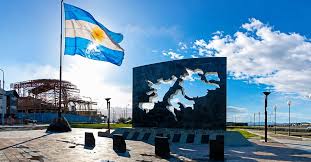
Malvinas.
Foto: Agencia NA (Redes)


En el escrito, Wood detalla que la administración de las islas es la que posee las competencias regulatorias y ambientales sobre los proyectos de explotación de gas y petróleo. Sin embargo, adelantó que las nuevas licencias deberán contar, además, con la aprobación desde Londres.

El secretario de Estado de Asuntos Exteriores volvió a reafirmar la posición británica respecto a los recursos naturales de las islas y manifestó que los habitantes del archipiélago tienen derecho a desarrollarse como parte del principio de autodeterminación.

La respuesta del Reino Unido se da en un contexto en donde el Gobierno nacional busca avanzar con medidas para sancionar a aquellas empresas que operen sin autorización en Malvinas.

Actualmente, son más de 60 las compañías a las que el Ejecutivo argentino les inició procedimientos sancionatorios por la violación de la Ley de Hidrocarburos (N° 26.659), en el marco de las actividades de exploración y explotación no autorizadas en la plataforma continental argentina alrededor del archipiélago que realizan empresas de origen británico e israelí.

“Al Reino Unido le reiteramos, una vez más, nuestro llamado a reanudar las negociaciones para encontrar una solución pacífica a la disputa de soberanía”, sostuvo el presidente Javier Milei durante su discurso en la Asamblea General de la ONU.

A su vez, la petrolera británica Rockhopper (impulsora del proyecto Sea Lion) ratificó que prevé comenzar a extraer petróleo durante el primer trimestre de 2028, al tiempo que aseguró que las sanciones y acciones impulsadas por la Argentina no alterarán el cronograma del proyecto.

Durante su informe semestral ante la Bolsa de Valores de Londres, Rockhopper anunció que seguirá adelante con sus trabajos de extracción de petróleo en la cuenca Malvinas.

Según la compañía, las recientes medidas adoptadas por el Gobierno generaron “un período de mayor atención mediática y política” pero no modificaron los planes de desarrollo.

Primicias Rurales
Fuente: Agencia NA


United Kingdom Announces That Oil and Gas Exploration Licenses in the Malvinas Islands Will Require Final Approval (English version)

Final approval must be granted by the Secretary of State for Foreign Affairs.

Saturday, October 3, 2026 — 6:40 p.m.

The United Kingdom announced that licenses for companies seeking to engage in oil and gas exploration and exploitation in the Malvinas Islands will require its final approval.

Buenos Aires, October 3 (NA) — The United Kingdom government confirmed that licenses for companies wishing to carry out hydrocarbon exploration and exploitation in the Malvinas Islands will have to receive its final approval.

According to information obtained by Noticias Argentinas, the authorization must be granted by the Secretary of State for Foreign Affairs. That position is currently held by Edward Miliband, who took office in July of this year.

The final decision was communicated to the British Parliament on October 1. Parliamentary Under-Secretary of State Stewart Wood submitted the response following an inquiry raised by the House of Lords (the Upper House).

The House of Commons (the Lower House) had already been notified of the British Government’s decision.

In his written response, Wood explained that the Malvinas Islands administration has regulatory and environmental authority over oil and gas development projects. However, he indicated that the new licenses will also require approval from London.

The Secretary of State for Foreign Affairs once again reaffirmed the British position regarding the islands’ natural resources, stating that the inhabitants of the archipelago have the right to develop their economy as part of the principle of self-determination.

The United Kingdom’s response comes against the backdrop of efforts by the Argentine national government to move forward with measures to sanction companies that operate without authorization in the Malvinas Islands.

Currently, more than 60 companies are facing sanctioning proceedings initiated by the Argentine Executive Branch for violating the Hydrocarbons Law (No. 26,659), in connection with unauthorized exploration and exploitation activities on the Argentine continental shelf around the archipelago by British and Israeli companies.

“To the United Kingdom, we reiterate, once again, our call to resume negotiations in order to find a peaceful solution to the sovereignty dispute,” President Javier Milei said in his address to the United Nations General Assembly.

Meanwhile, British oil company Rockhopper, which is behind the Sea Lion project, reiterated that it plans to begin oil production during the first quarter of 2028, while asserting that the sanctions and actions pursued by Argentina will not alter the project’s schedule.

During its half-year report to the London Stock Exchange, Rockhopper announced that it would continue with its oil production activities in the Malvinas Islands basin.

According to the company, the recent measures adopted by the Argentine Government created “a period of increased media and political attention,” but did not change its development plans.


Source Noticias Argentinas
Primicias Rurales


Traducción al inglés: María Marta Cafiero


El Reino Unido ratificó su postura sobre Malvinas y respaldó a empresas vinculadas a la explotación de recursos

El Reino Unido ratificó su postura sobre Malvinas y respaldó a empresas vinculadas a la explotación de recursos

La posición británica se produce días después de que la Cancillería argentina rechazara la guía de Londres. Artículo traducido al inglés.


Foto: Agencia NA


Buenos Aires, 18 septiembre (PR/26) — El Gobierno del Reino Unido ratificó este viernes su postura sobre las Islas Malvinas y aseguró que el archipiélago tiene derecho a desarrollar sus recursos naturales, incluidos los hidrocarburos, al tiempo que expresó su respaldo a las empresas y particulares que mantienen actividades comerciales con las islas frente a las medidas impulsadas por la Argentina.

“La posición del Reino Unido es clara: las Islas Malvinas son británicas y tienen derecho a desarrollar sus recursos naturales como consideren apropiado”, sostuvo la subsecretaria parlamentaria de Estado para los Territorios de Ultramar, Uma Kumaran, en un comunicado difundido por el Gobierno británico.

Según Londres, ese derecho forma parte de la autodeterminación de los habitantes de las islas, se iformó la Agencia Noticias Argentinas.

El pronunciamiento se produjo después de que la Argentina intensificara sus advertencias a empresas y personas que suministran bienes y servicios, de manera directa o indirecta, a las Islas Malvinas, particularmente en actividades vinculadas con el sector de hidrocarburos.

El Reino Unido sostuvo que su Gobierno y su red diplomática “respaldan plenamente” a esas compañías y particulares y calificó de “inaceptables” las acusaciones y medidas impulsadas desde Buenos Aires.

La declaración británica se suma a una guía publicada el 15 de septiembre, en la que Londres sostiene que respalda las actividades económicas en las islas y el desarrollo de sus recursos naturales.

En ese documento, el Gobierno británico afirma que las actividades hidrocarburíferas en la plataforma continental de las Malvinas están reguladas por la legislación de las islas y sostiene que la Argentina no tiene jurisdicción para aplicar su legislación a empresas o personas vinculadas con negocios en el archipiélago.

La respuesta de la Argentina

La posición británica se produce días después de que la Cancillería argentina rechazara la guía de Londres y anunciara una profundización de las medidas contra empresas vinculadas con la explotación de recursos naturales en las áreas bajo disputa de soberanía.

El Gobierno argentino sostiene que las Islas Malvinas, Georgias del Sur, Sandwich del Sur y los espacios marítimos circundantes forman parte del territorio nacional y considera ilegítimas las actividades hidrocarburíferas desarrolladas sin autorización de las autoridades argentinas.

La Cancillería señaló que las leyes 26.659 y 26.915 establecen sanciones para empresas, inversores y proveedores que participen directa o indirectamente en actividades hidrocarburíferas no autorizadas en la plataforma continental argentina.

En ese marco, la Cancillería informó que envió cerca de 180 notas de advertencia y asunción de riesgos a personas físicas y jurídicas de 30 países y que inició 60 procedimientos administrativos.

La disputa también está vinculada con el proyecto hidrocarburífero Sea Lion, en la Cuenca Malvinas Norte, impulsado por las compañías Rockhopper Exploration y Navitas Petroleum.

El Reino Unido, por su parte, sostuvo que las medidas argentinas no impedirán el desarrollo económico de las islas y afirmó que existen “enormes oportunidades” para las empresas que quieran operar allí. “Trabajaremos incansablemente con el Gobierno de las Islas Malvinas para garantizar que se respeten sus deseos”, señaló Kumaran.


Primicias Rurales
Fuente: Noticias Argentinas


Traducción al inglés: 

 The UK Government Ratified Its Position on the Malvinas Islands and Backed Companies Linked to Resource Exploitation (English version)

The British stance comes days after the Argentine Foreign Ministry rejected London’s guidance.
Sep 18, 2026 | Current Affairs, Malvinas Islands

Buenos Aires, September 18 (PR/26) — The UK Government ratified its position on the Malvinas Islands this Friday and assured that the archipelago has the right to develop its natural resources, including hydrocarbons, while expressing its support for companies and individuals maintaining commercial activities with the islands in the face of measures promoted by Argentina.

«The UK’s position is clear: the Malvinas Islands are British and have the right to develop their natural resources as they see fit,» stated the Parliamentary Under-Secretary of State for the Overseas Territories, Uma Kumaran, in a statement released by the British Government.
According to London, that right forms part of the self-determination of the islands’ inhabitants, reported the Agencia Noticias Argentinas.

The pronouncement came after Argentina intensified its warnings to companies and individuals supplying goods and services, directly or indirectly, to the Malvinas Islands, particularly in activities linked to the hydrocarbons sector.
The UK maintained that its Government and diplomatic network «fully support» those companies and individuals and described the accusations and measures driven from Buenos Aires as «unacceptable.»

The British declaration adds to guidance published on September 15, in which London maintains that it supports economic activities on the islands and the development of their natural resources.

In that document, the British Government affirms that hydrocarbon activities on the Malvinas Islands continental shelf are regulated by the islands’ legislation and maintains that Argentina has no jurisdiction to apply its laws to companies or individuals linked to businesses in the archipelago.

Argentina’s Response

The British position comes days after the Argentine Foreign Ministry rejected London’s guidance and announced an intensification of measures against companies linked to the exploitation of natural resources in areas under sovereignty dispute.

The Argentine Government maintains that the Malvinas Islands, South Georgia, and the South Sandwich Islands and surrounding maritime spaces form part of the national territory and considers hydrocarbon activities developed without the authorization of Argentine authorities to be illegitimate.

The Foreign Ministry pointed out that Laws 26.659 and 26.915 establish sanctions for companies, investors, and suppliers that participate directly or indirectly in unauthorized hydrocarbon activities on the Argentine continental shelf.
Within this framework, the Foreign Ministry reported that it sent around 180 warning and risk-assumption notes to natural and legal persons from 30 countries and initiated 60 administrative procedures.

The dispute is also linked to the Sea Lion hydrocarbon project in the North Malvinas Basin, promoted by the companies Rockhopper Exploration and Navitas Petroleum.

The UK, for its part, maintained that Argentine measures will not prevent the islands’ economic development and affirmed that there are «enormous opportunities» for companies wanting to operate there. «We will work tirelessly with the Malvinas Islands Government to ensure their wishes are respected,» Kumaran noted.


Rural Primicias
Source: Noticias Argentinas
Traducción al inglés: María Marta Cafiero


Malvinas: Reino Unido respaldó a las empresas que operan en las islas y desafió las sanciones de Argentina

Malvinas: Reino Unido respaldó a las empresas que operan en las islas y desafió las sanciones de Argentina

Londres difundió una guía en la que reivindicó la actividad económica y la explotación de hidrocarburos en el archipiélago y afirmó que Argentina no tiene jurisdicción para aplicar su legislación. Artículo traducido al inglés


Buenos Aires, miércoles 16 septiembre (NA) — El Gobierno del Reino Unido publicó este martes una guía oficial para empresas y particulares vinculados con las Islas Malvinas, en la que respaldó las actividades económicas que se desarrollan en el archipiélago y rechazó las medidas impulsadas por la administración de Javier Milei.

El documento, elaborado por el Ministerio de Asuntos Exteriores, Commonwealth y Desarrollo (FCDO), constituye la primera respuesta oficial de Londres al endurecimiento de las sanciones argentinas contra compañías relacionadas con la explotación de recursos en las islas, según se informó la Agencia Noticias Argentinas.

Bajo el título “Hacer negocios con las Islas Malvinas”, el Reino Unido sostuvo que apoya toda actividad económica que considera legítima y destacó el derecho de los habitantes del archipiélago a regular su economía y desarrollar sus recursos naturales, incluidos los hidrocarburos.

Londres también reafirmó su postura sobre la soberanía al señalar que considera a las Malvinas un territorio británico de ultramar y que no discutirá esa cuestión “a menos que los isleños así lo deseen”.

En uno de los principales puntos del documento, el Gobierno británico advirtió que las empresas y particulares podrían recibir comunicaciones de las autoridades argentinas por sus actividades en las islas, pero sostuvo que Argentina no tiene derecho a ejercer jurisdicción ni aplicar su legislación interna sobre el archipiélago ni sobre quienes desarrollen negocios allí.

Además, Londres afirmó que las medidas argentinas aplicadas anteriormente no lograron frenar el crecimiento de la economía de las islas.

El Reino Unido también ofreció asistencia directa a las compañías que enfrenten presiones por sus negocios en Malvinas. La guía recomienda obtener asesoramiento jurídico independiente ante eventuales acciones de Argentina y establece que el FCDO está dispuesto a intervenir ante terceros países cuando una empresa, filial o proveedor sea presionado por actividades consideradas legítimas en el archipiélago.

La medida se conoce mientras Milei avanza con nuevas sanciones contra firmas petroleras y el Gobierno argentino prepara un proyecto de ley para reforzar las herramientas destinadas a defender el reclamo de soberanía.


La Cancillería argentina rechazó la guía británica para proteger a empresas que operan en Malvinas y advirtió que profundizará las sanciones.


Mientras que Uruguay promocionó en la principal Expo Rural un stand británico promocionando a las «Falkland»


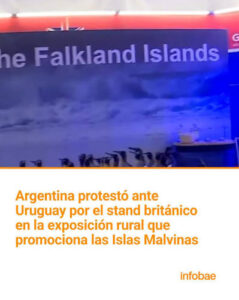
El Gobierno uruguayo de izquierda que conduce Yamandú Orsi permitió que la Embajada británica montara en la Expo Prado 2026, la principal exposición agroindustrial de Uruguay, un stand oficial para promocionar las Islas Malvinas bajo la denominación colonial de «Falkland Islands».

La provocación británica fue permitida en territorio de un país vecino que históricamente respaldó el reclamo argentino de soberanía sobre las islas, mientras Londres continúa ocupando ilegalmente el archipiélago y explotando sus recursos.


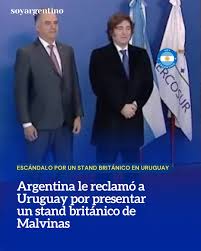
Argentina no dejó pasar la zancadilla diplomática: la Embajada argentina en Uruguay, presentó una protesta formal ante la Cancillería uruguaya y repudió que el Gobierno de Orsi haya permitido en pleno Montevideo propaganda británica destinada a legitimar la ocupación de territorio argentino.


El Gobierno británico publicó una guía destinada a empresas y particulares vinculados con las Islas Malvinas, en la que respaldó la actividad económica en el archipiélago y rechazó que la Argentina pueda aplicar allí su legislación.


El documento, titulado Doing business with the Falkland Islands («Hacer negocios con las Islas Malvinas»), fue difundido este martes por el Ministerio de Asuntos Exteriores, Commonwealth y Desarrollo británico. Está dirigido a compañías que desarrollan actividades en las islas, proveen bienes o servicios o participan de manera directa o indirecta de su economía.

La publicación constituye la respuesta oficial de Londres frente al endurecimiento de las medidas impulsadas por el Gobierno de Javier Milei contra empresas vinculadas con actividades económicas y explotación de recursos naturales en el archipiélago.

Qué sostiene Londres sobre la actividad económica

Uno de los ejes centrales de la guía es el respaldo a las actividades comerciales que el Reino Unido considera legítimas. El Gobierno británico sostiene que los habitantes de las islas tienen derecho a regular su economía y desarrollar sus recursos naturales, incluidos los hidrocarburos.

El documento señala además que las actividades hidrocarburíferas en la plataforma continental son reguladas por la legislación de las Islas Malvinas y que Londres respalda el desarrollo de esos recursos para beneficio económico de los isleños.

En paralelo, el Reino Unido reafirma su propia posición sobre la soberanía. Define a las Malvinas como un «Territorio Británico de Ultramar» y sostiene que no discutirá esa cuestión «a menos que los isleños así lo deseen».

El punto más fuerte: la jurisdicción argentina

La guía dedica un apartado específico a las medidas adoptadas por la Argentina. Allí, Londres sostiene que Buenos Aires no tiene derecho a ejercer jurisdicción sobre las islas ni a aplicar su legislación interna dentro del archipiélago.

La misma postura es extendida por el Gobierno británico a las compañías y personas que desarrollen actividades comerciales vinculadas con las Malvinas. Según Londres, las medidas argentinas tampoco deberían alcanzar a quienes participan de negocios relacionados con las islas.

El documento afirma además que las medidas argentinas aplicadas anteriormente durante años no impidieron, según la posición británica, que la economía de las islas continuara creciendo.

Qué recomienda a las empresas que reciban sanciones


La guía contempla específicamente la posibilidad de que compañías o personas reciban comunicaciones o amenazas de acciones legales por parte de autoridades argentinas.

En esos casos, Londres recomienda obtener asesoramiento jurídico independiente para analizar cada situación particular. El propio documento aclara que la guía expresa la posición del Gobierno británico y que no constituye asesoramiento legal.

Pero el Reino Unido también ofrece un respaldo adicional. El Ministerio de Asuntos Exteriores afirma que está dispuesto a hacer pública su posición ante el Gobierno argentino, organismos internacionales y las empresas que soliciten garantías.

Qué hará Londres si las empresas son presionadas en terceros países

Uno de los puntos más relevantes de la guía aparece cuando contempla situaciones en las que una compañía, una subsidiaria o un proveedor sea presionado en un tercer país debido a sus negocios vinculados con las Malvinas.

En ese escenario, el Gobierno británico asegura que está dispuesto a intervenir directamente para dejar clara su posición ante la empresa afectada.

De esta manera, Londres no solo reivindica el derecho de las compañías a operar en el archipiélago según su marco jurídico, sino que también ofrece respaldo diplomático ante eventuales consecuencias de las medidas argentinas.

El contexto de la disputa

La publicación se conoció mientras el Gobierno argentino avanza con nuevas medidas contra empresas vinculadas con la explotación de recursos en las Malvinas y prepara herramientas para reforzar las sanciones.

La guía británica marca así una nueva escalada diplomática en torno a las actividades económicas desarrolladas en el archipiélago: mientras Buenos Aires sostiene su reclamo de soberanía y cuestiona las operaciones realizadas sin autorización argentina, Londres respalda esas actividades y niega que la legislación argentina pueda aplicarse sobre las islas o las empresas vinculadas con ellas.


Primicias Rurales
Fuente: Agencia NA / La Derecha Diario


Traducción al inglés: 

Malvinas: UK backs companies operating in the islands and defies Argentine sanctions

​London issued a guide claiming economic activity and hydrocarbon exploitation in the archipelago, asserting that Argentina has no jurisdiction to enforce its legislation.

​Buenos Aires, Wednesday, September 16 (PR/26) — The UK Government published an official guide on Tuesday for companies and individuals connected with the Malvinas Islands, backing the economic activities taking place in the archipelago and rejecting the measures promoted by Javier Milei‘s administration.

​The document, prepared by the Foreign, Commonwealth & Development Office (FCDO), represents London’s first official response to the tightening of Argentine sanctions against companies related to resource exploitation in the islands, as reported by Agencia Noticias Argentinas.

​Under the title “Doing business with the Malvinas Islands,” the UK maintained that it supports all economic activity it considers legitimate, highlighting the right of the archipelago’s inhabitants to regulate their economy and develop their natural resources, including hydrocarbons.

​London also reaffirmed its stance on sovereignty by noting that it considers the Malvinas a British Overseas Territory and will not discuss the matter “unless the islanders wish to do so.”

​In one of the main points of the document, the British Government warned that companies and individuals might receive communications from Argentine authorities regarding their activities in the islands, but argued that Argentina has no right to exercise jurisdiction or apply its domestic law over the archipelago or over those doing business there.

​Furthermore, London stated that previously applied Argentine measures failed to stop the growth of the islands’ economy.

​The UK also offered direct assistance to companies facing pressure over their businesses in the Malvinas. The guide recommends seeking independent legal advice regarding potential actions by Argentina and establishes that the FCDO is ready to step in with third countries when a company, subsidiary, or supplier is pressured for activities deemed legitimate in the archipelago.

​The measure comes as Milei moves forward with new sanctions against oil firms and the Argentine Government prepares a bill to strengthen tools aimed at defending its sovereignty claim.



The Argentine Foreign Ministry rejected the British guide to protect companies operating in the Falklands and warned that it will deepen sanctions.


Meanwhile Uruguay featured a British stand promoting the «Falklands» at its main Rural Expo.

The leftist Uruguayan Government led by Yamandú Orsi allowed the British Embassy to set up an official stand at Expo Prado 2026—Uruguay’s main agro-industrial exhibition—to promote the Malvinas Islands under the colonial name «Falkland Islands.»

​The British provocation was permitted in the territory of a neighboring country that has historically backed the Argentine sovereignty claim over the islands, while London continues to illegally occupy the archipelago and exploit its resources.

Argentina did not let the diplomatic low blow pass: the Argentine Embassy in Uruguay lodged a formal protest with the Uruguayan Foreign Ministry, condemning the Orsi government for permitting British propaganda aimed at legitimizing the occupation of Argentine territory in the heart of Montevideo.


What Great Britain’s guide says to defend companies operating in the Malvinas Islands

​The document, titled “Doing business with the Malvinas Islands,” was released this Tuesday by the British Foreign, Commonwealth & Development Office.

​Tuesday, September 15, 2026 20:29

​Buenos Aires, September 15 (NA) — The British Government has published a guide aimed at companies and individuals linked to the Malvinas Islands, backing economic activity in the archipelago and rejecting Argentina’s ability to enforce its legislation there.

​The document, titled Doing business with the Malvinas Islands, was released this Tuesday by the British Foreign, Commonwealth & Development Office. It is aimed at companies carrying out activities in the islands, providing goods or services, or participating directly or indirectly in their economy.

​The publication represents London’s official response to the tightening of measures driven by Javier Milei’s government against companies linked to economic activities and natural resource exploitation in the archipelago.

​What London holds regarding economic activity

​One of the central pillars of the guide is the support for commercial activities that the United Kingdom considers legitimate. The British Government maintains that the islands’ inhabitants have the right to regulate their economy and develop their natural resources, including hydrocarbons.

​The document also notes that hydrocarbon activities on the continental shelf are regulated by Malvinas Islands legislation and that London supports the development of those resources for the economic benefit of the islanders.

​At the same time, the United Kingdom reaffirms its own stance on sovereignty. It defines the Malvinas as a «British Overseas Territory» and maintains that it will not discuss the issue «unless the islanders wish to do so.»

​The main point: Argentine jurisdiction

​The guide devotes a specific section to the measures adopted by Argentina. There, London argues that Buenos Aires has no right to exercise jurisdiction over the islands or to apply its domestic legislation within the archipelago.

​The same stance is extended by the British Government to companies and individuals carrying out commercial activities linked to the Malvinas. According to London, Argentine measures should not affect those participating in business related to the islands either.

​Furthermore, the document states that Argentine measures applied over the years have not, according to the British position, prevented the islands’ economy from continuing to grow.

​Recommendations for companies facing sanctions

​The guide specifically addresses the possibility of companies or individuals receiving communications or threats of legal action from Argentine authorities.

​In such cases, London recommends seeking independent legal advice to analyze each specific situation. The document itself clarifies that the guide reflects the position of the British Government and does not constitute formal legal advice.

​However, the UK also offers additional backing. The Foreign Office states that it is prepared to make its position public to the Argentine Government, international organizations, and companies requesting guarantees.

​What London will do if companies face pressure in third countries

​One of the most notable points in the guide arises when it addresses scenarios where a company, a subsidiary, or a supplier faces pressure in a third country due to its business ties with the Malvinas.

​In that scenario, the British Government assures that it is ready to intervene directly to clarify its position to the affected company.

​In this way, London not only asserts the right of companies to operate in the archipelago under its legal framework, but also offers diplomatic backing against any potential consequences from Argentine measures.

​Context of the dispute

​The publication came as the Argentine Government moves forward with new measures against companies linked to resource exploitation in the Malvinas and prepares tools to strengthen sanctions.

​The British guide thus marks a new diplomatic escalation over economic activities in the archipelago: while Buenos Aires maintains its sovereignty claim and challenges unauthorized operations, London supports those activities and denies that Argentine law can be applied to the islands or to companies linked to them.

​Primicias Rurales

​Source: Agencia NA / La Derecha Diario
Traducción: María Marta Cafiero