Especialistas de todo el mundo, unidos en el Sagrado Corazón de Jesús, se darán cita el 14 y 15 de noviembre en Buenos Aires para promover una práctica médica guiada por la fe, la dignidad humana y el respeto incondicional por la vida. (Artículo traducido al inglés)
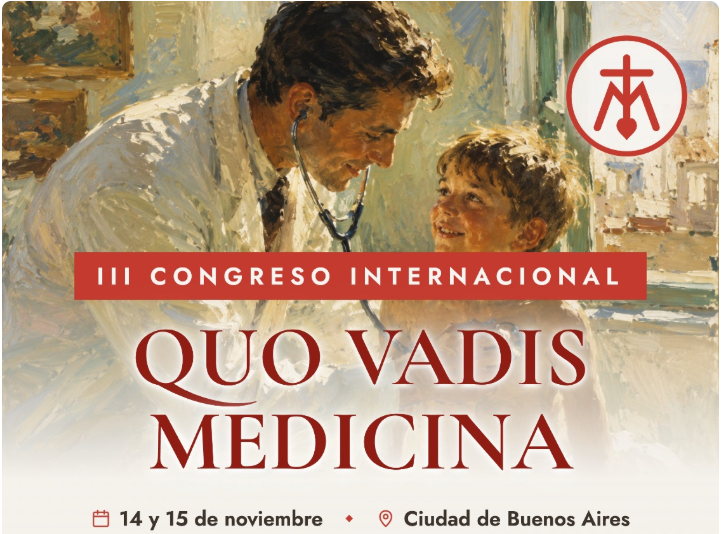
Buenos Aires domingo 20 septiembre(PR/26)– En un escenario global donde la práctica médica afronta constantes desafíos técnicos y económicos, surge la urgente necesidad de recuperar la esencia humanitaria del cuidado sanitario. El III Congreso Internacional Quo Vadis Medicina 2026 se celebrará los días 14 y 15 de noviembre de 2026 en Buenos Aires, con el propósito central de explorar la intersección entre la ética médica y la esperanza.
Vivimos en un tiempo donde la medicina, crecientemente sometida a intereses económicos y protocolos impersonales, corre el riesgo de perder su razón de ser originaria. La vocación médica debe ser, ante todo, un servicio abnegado al enfermo, orientado a preservar su vida y defender su dignidad en todo momento.
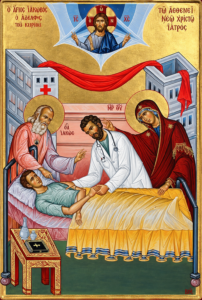
Con frecuencia preocupante, la práctica contemporánea llega a ofrecer la muerte como solución ante la enfermedad, disfrazada mediante eutanasia, aborto, manipulación genética o reducción terapéutica. Frente a esta compleja realidad, resuena en la conciencia de los profesionales la pregunta fundamental: ¿Quo Vadis, Medicina? ¿Hacia dónde vas?
Este evento internacional representa un llamado decisivo a detenerse, reflexionar y discernir sobre el rumbo de la salud moderna. Es una invitación abierta a médicos y profesionales de la salud católicos para evaluar si su labor diaria guarda plena coherencia con la fe, la verdadera ciencia y la vida humana.
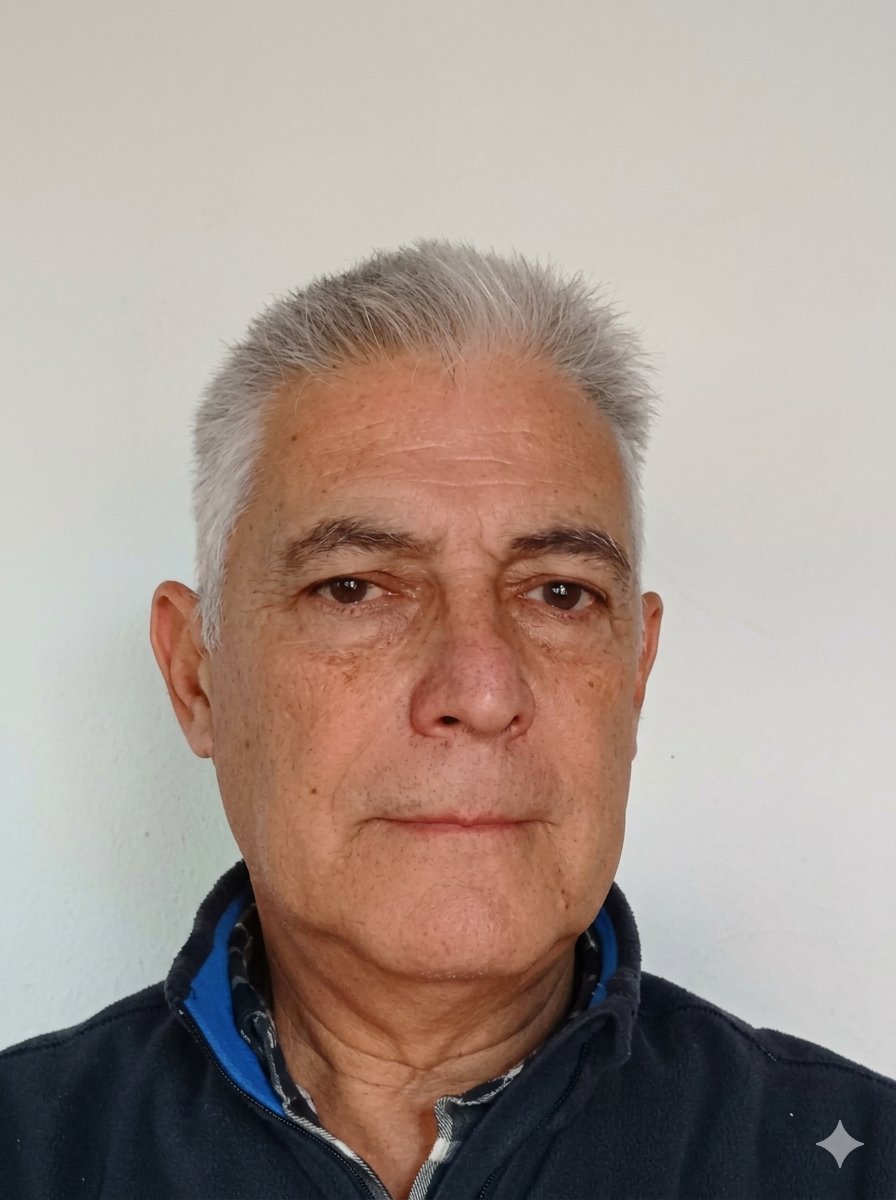
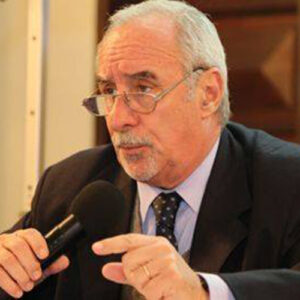
Dentro de los expertos que estarán en este congreso se encuentra el Dr. Oscar Botta, un reconocido médico pediatra de gran trayectoria en Buenos Aires. Forma parte del panel de expertos y ponentes del movimiento. En ediciones anteriores de este ciclo, ha estado a cargo de disertaciones orientadas al análisis y enfoque ético-católico de las vacunas del calendario y sus implicaciones clínicas.
Otros importantes participantes
La organización del III Congreso Internacional Quo Vadis Medicina ha anticipado que la lista oficial y detallada con el cronograma definitivo de los disertantes para la edición de Buenos Aires se irá confirmando en detalle con el correr de las semanas.
No obstante, el núcleo de expertos y ponentes internacionales que lidera este movimiento y que ha participado activamente en las ediciones previas (o cuyas ponencias forman parte de su plataforma oficial de formación) incluye a los siguientes profesionales:
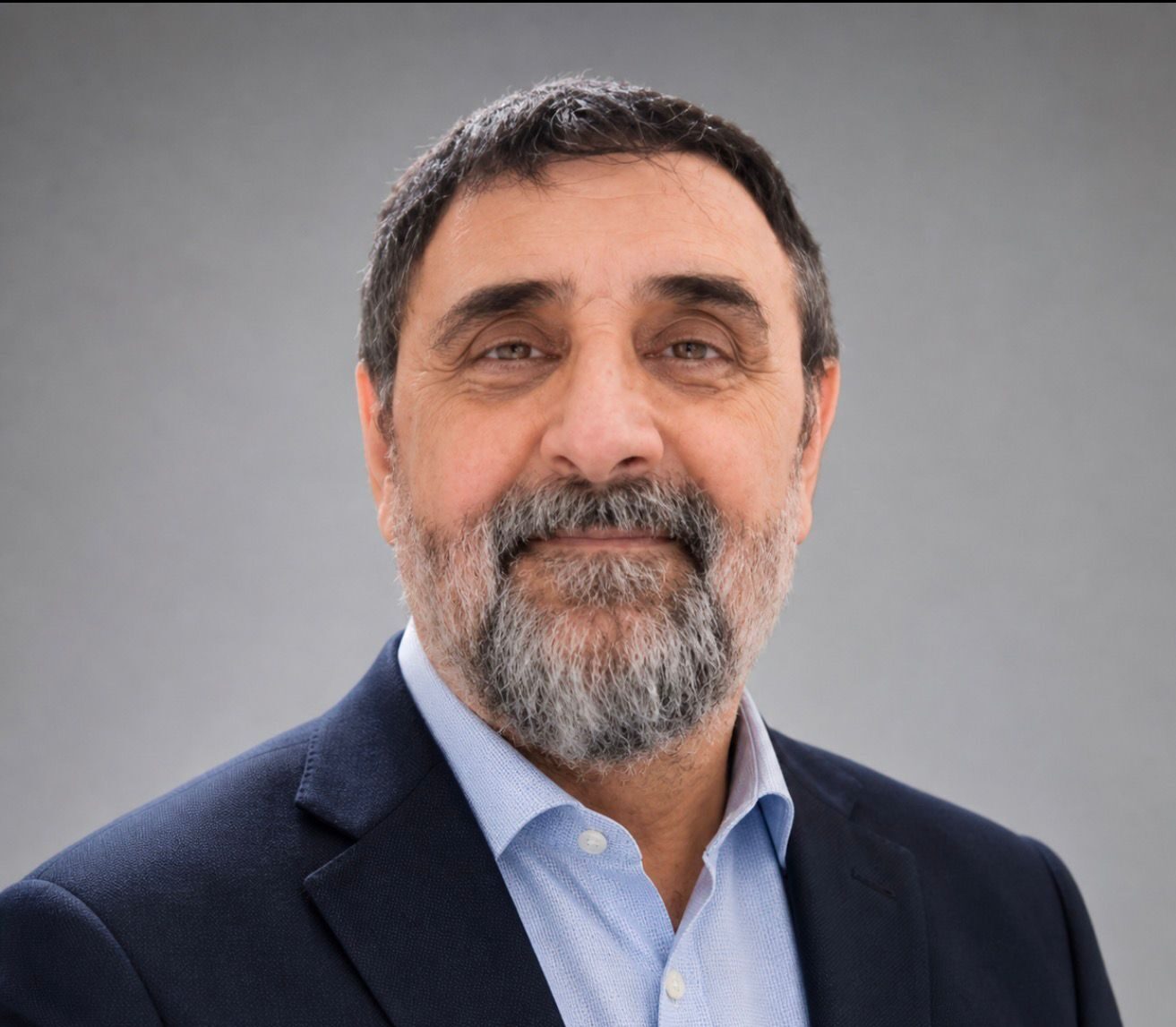
Dra. Nicole Delépine (Francia): Reconocida doctora en medicina pediátrica y oncología. Fue jefa de la unidad de oncología pediátrica en el ámbito hospitalario francés y es conocida por su postura crítica y humanista sobre los tratamientos oncológicos.
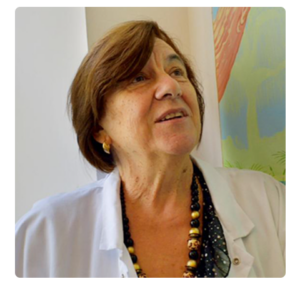
Dr. Carlos Chiclana (España): Médico psiquiatra, doctor en Medicina por la Universidad de Navarra, especializado en la promoción de la salud mental con un enfoque constructivo y de esperanza en la práctica médica.
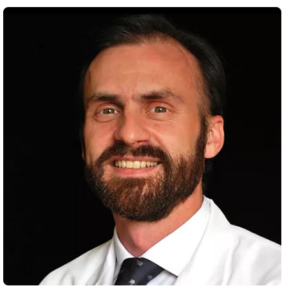
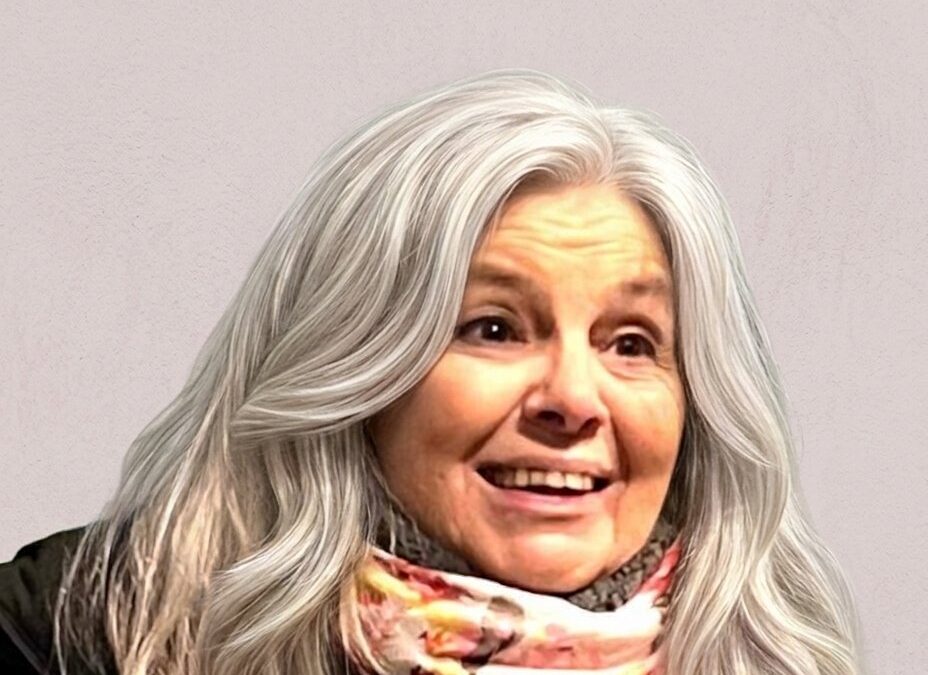
Dra. Isabel Bellostas (España): Médico pediatra y experta en la medicina de Santa Hildegarda. Se dedica a la investigación en áreas de desarrollo infantil, autismo y oncología pediátrica.
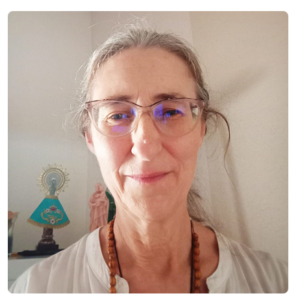
Dr. José de Miguel (España): Médico psiquiatra adjunto en el Hospital Son Espases y especialista en el abordaje integral de la salud mental y la ética clínica.
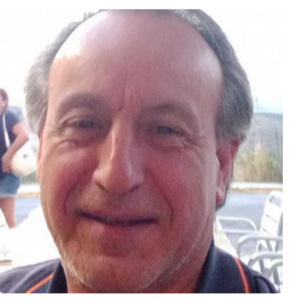
Dra. Loretta Bolgan (Italia): Científica farmacéutica y especialista en Toxicología y Salud, enfocada en el análisis científico de componentes farmacológicos y vacunas.
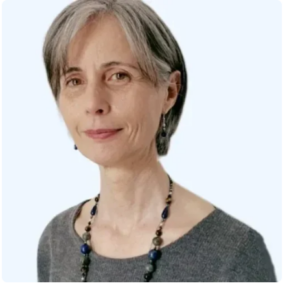
Hortencia Bremer (Internacional): Doctora en Naturopatía y profesional certificada en salud natural.
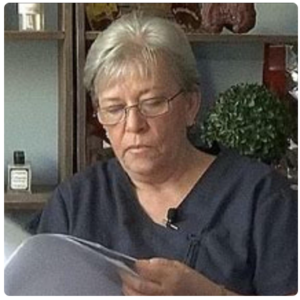
Un enfoque integral entre ética, fe y esperanza
Ver esta publicación en Instagram
Frente al vertiginoso avance tecnológico, resulta indispensable consolidar un marco ético que priorice el bienestar integral del paciente. La propuesta busca demostrar cómo la ética católica puede ser una guía sólida y clara para orientar la medicina hacia un horizonte mucho más humano y esperanzador.
La esperanza constituye un pilar esencial dentro de los tratamientos médicos, adquiriendo singular relevancia en disciplinas tan delicadas como la oncología infantil y la psiquiatría. Integrar este valor en la atención cotidiana garantiza que el progreso científico camine de la mano de la dignidad humana.
Entre sus objetivos fundamentales, el congreso busca recuperar una medicina profundamente humana y cristiana, situando la vida en el centro desde la concepción hasta la muerte natural. Asimismo, promueve el intercambio de experiencias e investigaciones de alternativas terapéuticas eficaces y plenamente respetuosas.
El encuentro ofrecerá un ambiente propicio para la formación, oración y discernimiento de quienes buscan ejercer su vocación con auténtico compromiso espiritual. Paralelamente, se analizarán amenazas actuales como los protocolos deshumanizados, la comercialización del cuerpo y las presiones económicas.
Uno de los frutos más valiosos previstos es la consolidación de una red internacional de médicos y terapeutas. Esta iniciativa pretende articular esfuerzos globales en favor de una medicina integral, siempre abierta al misterio de la vida y a la acción trascendente de Dios.
La visión ser humano y el sentido del sufrimiento
La visión del congreso sostiene que la genuina medicina no se limita a tratar la dimensión corporal, sino que abraza al paciente en sus dimensiones corporal, anímica, espiritual y social. Bajo este paradigma, cada vida humana es un don sagrado inviolable desde su origen natural.
Desde la perspectiva cristiana, el sufrimiento unido a Cristo adquiere un profundo valor redentor y transformador, ofreciendo sentido en momentos de fragilidad. Por ello, la persona enferma requiere un acompañamiento cercano, sustentado en la oración, el afecto sincero y la esperanza constante.
El profesional de la salud deja de ser un simple prestador de servicios para convertirse en un servidor humilde, en un verdadero instrumento de Dios al servicio de la vida. Se busca retornar a una atención que mire al enfermo a los ojos, asegurando su paz y acompañamiento trascendente.
Orígenes históricos y el movimiento de la medicina católica
Los encuentros médicos vinculados al Sagrado Corazón de Jesús se enmarcan en la amplia historia de la medicina católica global. El vínculo histórico principal se canaliza a través de la Federación Internacional de las Asociaciones de los Médicos Católicos (FIAMC).
Un hito reciente ocurrió el 21 de junio de 2019, cuando la FIAMC se reunió en Roma para consagrar a los médicos católicos al Sagrado Corazón de Jesús. La jornada en la Pontificia Universidad Urbaniana abordó temas como la objeción de conciencia y la humanización en tiempos de inteligencia artificial.
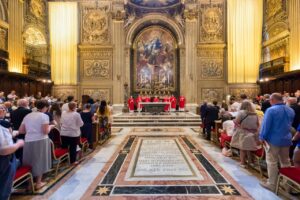
Durante dicho encuentro de 2019, Mons. Bruno Marie Duffé, Secretario del Departamento de Servicios para el Desarrollo Humano Integral, pronunció la homilía en la Basílica Vaticana. La cita concluyó el 22 de junio, destacando la figura del Buen Samaritano como modelo universal de cuidado.
El impulso específico del congreso actual nació en Medjugorje durante la Vigilia de Pentecostés de 2022, momento en que emergió el Proyecto Vida. Esta iniciativa postula que sanar el alma es previo a curar el cuerpo, sirviendo como faro para profesionales comprometidos.
Historia institucional de la FIAMC y ediciones previas
La historia asociativa se remonta a Francia en 1884, durante el pontificado del Papa León XIII, en un contexto de fuerte anticatolicismo europeo. Posteriormente, en París en 1924, se instituyó la Secretaría Internacional, antecedente directo del Primer Congreso Internacional en Bruselas (1935).
Tras la creación de una segunda secretaría en Roma en 1949 y la unificación de estructuras en París en 1951, la organización celebró importantes cumbres. Finalmente, en el XI Congreso de Manila en 1966, se aprobaron los Estatutos Oficiales de la FIAMC con la venia de la Santa Sede.
En la actualidad, la FIAMC representa a seis regiones continentales, constituyendo una organización médica de alcance plenamente mundial. Este importante bagaje internacional respalda el desarrollo de las sucesivas ediciones del encuentro Quo Vadis Medicina.
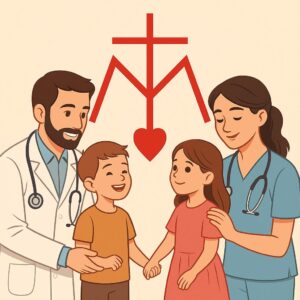
La trayectoria reciente de este encuentro registra un crecimiento continuo y fructífero a nivel internacional. La primera edición, el I Congreso QVM, tuvo lugar del 8 al 10 de noviembre de 2024 en Madrid, sentando las bases de este dinámico espacio de reflexión.
Posteriormente, la consolidación del movimiento se reconfirmó con la realización del II Congreso QVM, llevado a cabo del 7 al 9 de noviembre de 2025 en Madrid. La cita de 2026 en Argentina representa la continuidad de este encuentro de fe, ciencia y conciencia.
Por Dr. Gonzalo Fierro. Médico, especialidades Clínica y Reumatología. MN 200215
gfierro02@gmail.com
Primicias Rurales
Fuente: quovadismedicina.com
Versión en inglés:
The 3rd International Quo Vadis Medicine Congress 2026 will bring together Sacred Heart physicians in Argentina to renew professional ethics and hope.
Sep 20, 2026 | News, Congresses and Courses, Human Development, Spirituality, Health**
Specialists from around the world, united in the Sacred Heart of Jesus, will gather on November 14 and 15 in Buenos Aires to promote a medical practice guided by faith, human dignity, and unconditional respect for life.
Buenos Aires, Sunday, September 20 (PR/26) — In a global landscape where medical practice faces constant technical and economic challenges, an urgent need arises to reclaim the humanitarian essence of healthcare. The III International Congress Quo Vadis Medicina 2026 will take place on November 14 and 15, 2026, in Buenos Aires, with the core purpose of exploring the intersection between medical ethics and hope.
We live in a time when medicine, increasingly subjected to economic interests and impersonal protocols, risks losing its original reason for being. The medical vocation must be, above all, a selfless service to the sick, oriented toward preserving life and defending dignity at all times.
With concerning frequency, contemporary practice goes as far as offering death as a solution to illness, disguised through euthanasia, abortion, genetic manipulation, or therapeutic reduction. Faced with this complex reality, the fundamental question echoes in the conscience of professionals: Quo Vadis, Medicina? Where are you going?
This international event represents a decisive call to pause, reflect, and discern the direction of modern healthcare. It is an open invitation to Catholic physicians and healthcare professionals to evaluate whether their daily work aligns fully with faith, true science, and human life.
Among the experts participating in this congress is Dr. Oscar Botta, a renowned pediatrician with an extensive career in Buenos Aires. He is part of the panel of experts and speakers for the movement. In previous editions of this conference series, he has been in charge of presentations focused on the ethical-Catholic analysis and perspective of schedule vaccines and their clinical implications.
### *Other important participants*
The organizers of the 3rd International Quo Vadis Medicine Congress have indicated that the official and detailed list, along with the final schedule of speakers for the Buenos Aires edition, will be confirmed progressively over the coming weeks.
Nevertheless, the core group of international experts and speakers who lead this movement—and who have actively participated in previous editions (or whose lectures form part of its official training platform)—includes the following professionals:
*Dr. Nicole Delépine (France):* A renowned physician specializing in pediatric medicine and oncology. She served as head of the pediatric oncology unit in the French hospital system and is known for her critical and humanistic stance on oncological treatments.
*Dr. Carlos Chiclana (Spain):* Psychiatrist and physician, holding a PhD in Medicine from the University of Navarra, specialized in promoting mental health through a constructive and hopeful approach to medical practice.
*Dr. José de Miguel (Spain):* Assistant psychiatrist at Son Espases Hospital and specialist in comprehensive mental health care and clinical ethics.
*Dr. Loretta Bolgan (Italy):* Pharmaceutical scientist and specialist in Toxicology and Health, focused on the scientific analysis of pharmacological components and vaccines.
—
### *A comprehensive approach integrating ethics, faith, and hope*
In the face of rapid technological advancement, it is essential to strengthen an ethical framework that prioritizes the patient’s holistic well-being. The initiative seeks to demonstrate how Catholic ethics can serve as a solid and clear guide, orienting medicine toward a far more human and hope-filled horizon.
Hope is a fundamental pillar of medical treatment, gaining particular relevance in disciplines as delicate as pediatric oncology and psychiatry. Integrating this value into daily care ensures that scientific progress walks hand in hand with human dignity.
Among its core objectives, the congress aims to recover a deeply human and Christian practice of medicine, placing life at the center from conception to natural death. It also promotes the exchange of experiences and research on effective therapeutic alternatives that fully respect the person.
The gathering will offer an environment conducive to formation, prayer, and discernment for those seeking to live their vocation with genuine spiritual commitment. At the same time, current threats—such as dehumanizing protocols, the commercialization of the body, and economic pressures—will be examined.
One of the most valuable expected outcomes is the strengthening of an international network of physicians and therapists. This initiative seeks to coordinate global efforts in favor of an integral form of medicine, always open to the mystery of life and the transcendent action of God.
—
### *The human vision and the meaning of suffering*
The congress’s vision holds that genuine medicine does not limit itself to treating the physical dimension but embraces the patient in their bodily, emotional, spiritual, and social dimensions. Within this paradigm, every human life is an inviolable sacred gift from its natural beginning.
From a Christian perspective, suffering united to Christ acquires profound redemptive and transformative value, offering meaning in moments of fragility. For this reason, the sick person requires close accompaniment, sustained by prayer, sincere affection, and constant hope.
The healthcare professional ceases to be a mere provider of services and becomes a humble servant, a true instrument of God in the service of life. The aim is to return to a form of care that looks the patient in the eyes, ensuring peace and transcendent accompaniment.
—
### *Historical origins and the Catholic medical movement*
Medical gatherings linked to the Sacred Heart of Jesus are part of the broader history of global Catholic medicine. The main historical connection is channeled through the International Federation of Catholic Medical Associations (FIAMC).
A recent milestone took place on June 21, 2019, when FIAMC met in Rome to consecrate Catholic physicians to the Sacred Heart of Jesus. The day at the Pontifical Urbaniana University addressed topics such as conscientious objection and humanization in times of artificial intelligence.
During the 2019 gathering, Mons. Bruno Marie Duffé, Secretary of the Dicastery for Promoting Integral Human Development, delivered the homily in the Vatican Basilica. The event concluded on June 22, highlighting the figure of the Good Samaritan as a universal model of care.
The specific inspiration for the current congress was born in Medjugorje during the Pentecost Vigil of 2022, the moment in which the Life Project emerged. This initiative proposes that healing the soul precedes healing the body, serving as a guiding light for committed professionals.
—
### *Institutional history of FIAMC and previous editions*
The associative history dates back to France in 1884, during the pontificate of Pope Leo XIII, in a context of strong European anti‑Catholic sentiment. Later, in Paris in 1924, the International Secretariat was established, serving as the direct precursor to the First International Congress held in Brussels in 1935.
Following the creation of a second secretariat in Rome in 1949 and the unification of structures in Paris in 1951, the organization held several important summits. Finally, at the 11th Congress in Manila in 1966, the Official Statutes of FIAMC were approved with the endorsement of the Holy See.
Today, FIAMC represents six continental regions, forming a truly global medical organization. This significant international background supports the development of successive editions of the Quo Vadis Medicine gathering.
The recent trajectory of this gathering shows continuous and fruitful growth at the international level. The first edition, the 1st QVM Congress, took place from November 8 to 10, 2024 in Madrid, laying the foundations for this dynamic space of reflection.
Subsequently, the consolidation of the movement was reaffirmed with the 2nd QVM Congress, held from November 7 to 9, 2025 in Madrid. The 2026 meeting in Argentina represents the continuation of this encounter of faith, science, and conscience.
—–
**By Dr. Gonzalo Fierro. Physician, specialties in Internal Medicine and Rheumatology. MN 200215
gfierro02@gmail.com
Primicias Rurales
Source: quovadismedicina.com
Traducción al inglés: María Marta Cafiero