Malvinas: proponen bautizar como Carlos Rinke a una calle o espacio público de CABA en homenaje a «Numeral de Hierro» (artículo traducido al inglés)

Malvinas: proponen bautizar como Carlos Rinke a una calle o espacio público de CABA en homenaje a «Numeral de Hierro» (artículo traducido al inglés)

Con un proyecto de ley buscan bautizar una calle o espacio público porteño con su nombre. El piloto del Grupo 5 de Caza Douglas A-4B Skyhawk protagonizó con arrojo y valentía seis misiones de combate en 1982 y en todas regresó invicto. Es uno de los pilotos heroicos de Malvinas. Falleció en octubre pasado a los 70 años.


Carlos Rinke, piloto argentino y héroe de la guerra de Malvinas, falleció a fines de octubre pasado. 
Carlos Rinke, piloto argentino y héroe de la guerra de Malvinas, falleció a fines de octubre pasado.


El homenaje propuesto busca reconocer la trayectoria militar, el valor en combate y el compromiso con la Patria de quien fuera uno de los protagonistas de las operaciones aéreas de la Fuerza Aérea Argentina durante la Guerra de Malvinas de 1982. En este sentido ya hay un ante proyecto de ley en la Legislatura porteña, pero en el que se busca sancionar un reconocimiento a su trayectoria.

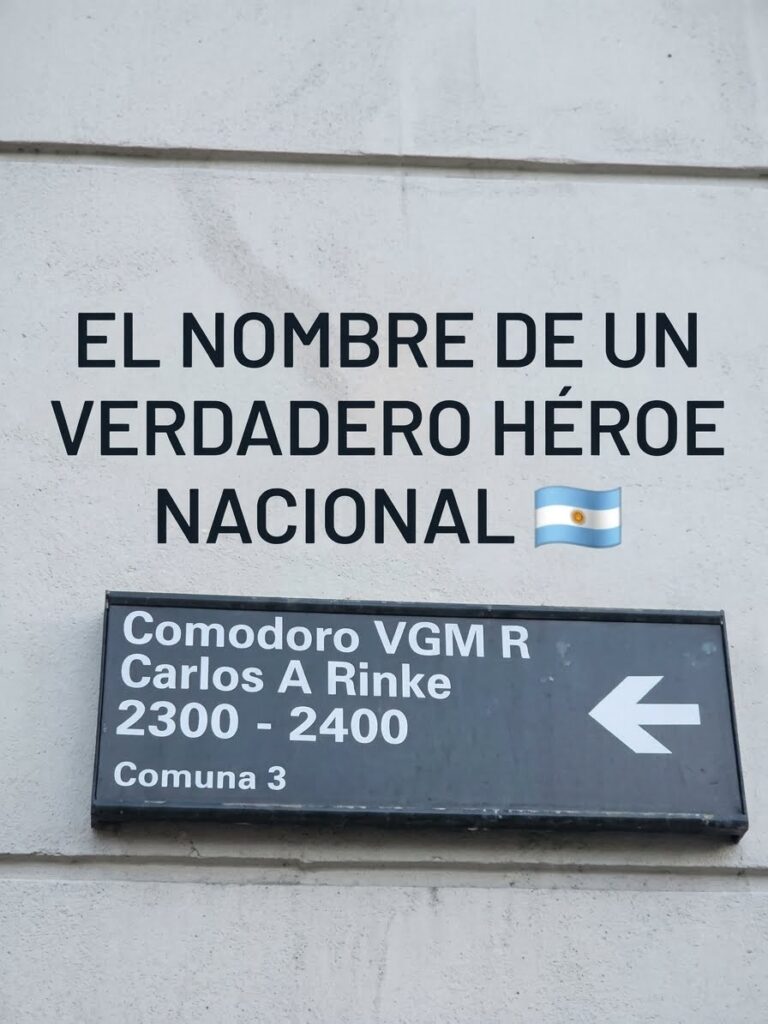
La actual iniciativa tiene por objeto elevar al Palacio de la calle Perú un proyecto de ley que tiene otro objetivo: designar con el nombre de «Comodoro (R) VGM Carlos Alfredo Rinke» a una arteria o espacio público de Buenos Aires que reúna las condiciones legales y administrativas correspondientes.


Para ello, sus impulsores proponen exceptuar transitoriamente el artículo 5 de la ley 83 que regula la asignación de nombres a espacios públicos y prohíbe homenajear a personas antes de cumplidos diez años de su fallecimiento.

El proyecto es empujado por su familia y por los compañeros de Rinke. «Este gesto representa mucho más que un reconocimiento individual. Significa incorporar a la memoria urbana de la Ciudad el testimonio de una generación de argentinos que defendió nuestra soberanía nacional en las Islas Malvinas», destacan.

Resaltan además que lograr que una calle o un espacio público lleve el nombre de Rinke «significa también transmitir a las nuevas generaciones valores que merecen perdurar: el coraje, la camaradería, el espíritu de sacrificio, la vocación de servicio, el profesionalismo y el amor por la Patria».


Carlos Rinke, el Numeral de Hierro

Rinke nació en Buenos Aires el 17 de febrero de 1956 y se formó en la Escuela de Aviación Militar. Integró el Grupo 5 de Caza y combatió a bordo de los cazabombarderos Douglas A-4B Skyhawk. Durante la guerra de Malvinas, realizó seis misiones de combate contra la flota británica, regresando sano y salvo de todas ellas.

Su bautismo de fuego sucedió el 1º de mayo de 1982, durante el inicio de las operaciones aéreas de combate de la Fuerza Aérea Argentina. Entre sus actuaciones más destacadas se encuentra su participación en las operaciones aéreas del 25 de mayo de 1982. Como integrante de la Escuadrilla Vulcano, formó parte del ataque que culminó con el hundimiento del destructor británico HMS Coventry.

Asimismo, el 8 de junio de 1982 integró la Escuadrilla Dogo durante el ataque a los buques británicos Sir Galahad y Sir Tristram en Bahía Agradable, una de las acciones más contundentes de las fuerzas argentinas durante el conflicto. Y el 21 de mayo voló sobre San Carlos como numeral del primer teniente Luciano Guadagnini, quien falleció durante el ataque a la fragata HMS Antelope.


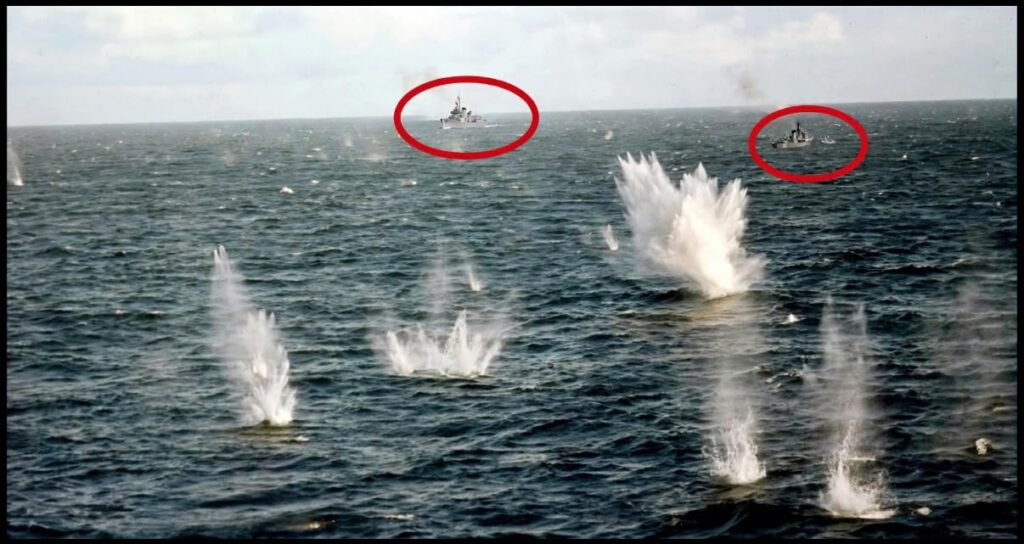
El capitán Pablo Carballo (izquierda) y el teniente Carlos Rinke (derecha) atacan a la fragata inglesa HMS Broadsword (F88).

El capitán Pablo Carballo (izquierda) y el teniente Carlos Rinke (derecha) atacan a la fragata inglesa HMS Broadsword (F88).


El comodoro formó parte fundamental de la famosa escuadrilla encabezada por el entonces capitán Pablo Carballo, volando a escasos metros sobre el mar a más de 800 km/h para eludir radares e interceptores Sea Harrier. Realizó un total de 6 misiones de combate de las 505 salidas ejecutadas por la Fuerza Aérea, regresando con vida de todas.

«Su desempeño profesional, su arrojo y la confianza que inspiraba en sus compañeros le valieron el histórico apodo de «Numeral de Hierro», con el que trascendió dentro y fuera de la institución», recuerdan sus familiares, amigos y compañeros en el comunicado.

Más allá de sus condiciones como piloto de combate, Rinke fue un hombre profundamente comprometido con sus camaradas, su familia y sus convicciones espirituales.

Afrontaba sus misiones rezando el rosario y, después de la guerra, dedicó parte de su vida a brindar conferencias y compartir sus experiencias, destacando siempre el valor de sus compañeros y recordando especialmente a quienes no regresaron. Una de sus expresiones más conmovedoras sintetiza el sentimiento de los combatientes: «Salir con un compañero y volver sin él… eso no se olvida».

Tras conocerse la noticia de su muerte, diferentes figuras de la política nacional expresaron sus condolencias. El exministro de Defensa Luis Petri recordó al piloto en sus redes sociales y escribió: «Hasta siempre, Numeral de Hierro». Y detalló las maniobras del piloto: «Al ras del mar, a 800 km/h, con un Rosario rezado antes de despegar».

La vicepresidenta Victoria Villarruel también manifestó su pésame. «Hoy me toca despedir con profundo dolor y emoción al comodoro Carlos Alfredo Rinke, uno de nuestros héroes de Malvinas, un Halcón que en 1982 arriesgó su vida por la Patria y por sus camaradas», publicó la funcionaria.

Ahora, sus compañeros y familiares buscan que la historia de Rinke, el Numeral de Hierro, transcienda más allá del paso del tiempo y quede guardada en la memoria viva de la Ciudad de Buenos Aires, designando a una calle o un espacio público con su nombre.

Malvinas: Proposal to Name a Street or Public Space in Buenos Aires After Carlos Rinke, Honoring the “Iron Wingman” (English version)

November 16, 2026 – 7:18 p.m.

A legislative bill seeks to name a street or public space in the City of Buenos Aires after the late Air Force Commodore (Ret.) Carlos Alfredo Rinke, in recognition of his outstanding service during the 1982 Malvinas War.

The pilot, known by his nickname “Numeral de Hierro” (Iron Wingman), flew six combat missions in a Douglas A-4B Skyhawk with the Argentine Air Force’s 5th Fighter Group. He demonstrated extraordinary courage and skill, returning safely from every mission. He was one of the heroic pilots of the Malvinas War. He died last October at the age of 70.


A Tribute to a Falklands War Hero


An initiative seeks to name a street or public space in the City of Buenos Aires after Commodore (Ret.) Carlos Alfredo Rinke, a Malvinas War veteran.

Rinke, who was the father of five children and grandfather of twelve, died on October 28 at the age of 70. He passed away in Córdoba after a difficult battle with leukemia and a bone marrow transplant donated by his son, Lucas Rinke.

His funeral was held with full military honors at the Córdoba Air Force Garrison, accompanied by family members and fellow members of the Argentine Air Force.

The proposed tribute seeks to recognize his military career, his courage in combat, and his commitment to his country. Rinke was one of the key figures in the Argentine Air Force’s aerial operations during the 1982 Malvinas War.

A preliminary bill has already been introduced in the Buenos Aires City Legislature to recognize his achievements. The new initiative, however, seeks to advance a separate legislative proposal: naming a street or public space in Buenos Aires “Commodore (Ret.) Malvinas War Veteran Carlos Alfredo Rinke.”

To make this possible, the sponsors propose temporarily waiving Article 5 of Law No. 83, which regulates the naming of public spaces and generally prohibits commemorating individuals until ten years after their death.

The proposal is being promoted by Rinke’s family and fellow servicemen.

“This gesture represents much more than an individual tribute. It means incorporating into the city’s urban memory the testimony of a generation of Argentines who defended our national sovereignty in the Malvinas Islands,” the initiative’s sponsors emphasize.

They also point out that naming a street or public space after Rinke would help pass on to future generations values that deserve to endure: courage, camaraderie, a spirit of sacrifice, dedication to public service, professionalism, and love of country.


Carlos Rinke: The “Iron Wingman”

Rinke was born in Buenos Aires on February 17, 1956, and trained at the Military Aviation School. He served with the 5th Fighter Group, flying Douglas A-4B Skyhawk fighter-bombers.

During the Malvinas War, he flew six combat missions against the British fleet, returning safely from every one of them.

His baptism of fire took place on May 1, 1982, when the Argentine Air Force began its combat air operations.

Among his most notable missions was his participation in the air operations of May 25, 1982. As a member of the Vulcano Flight, he took part in the attack that culminated in the sinking of the British destroyer HMS Coventry.

On June 8, 1982, he also flew with the Dogo Flight during the attack on the British ships Sir Galahad and Sir Tristram at Bluff Cove (Bahía Agradable), one of the most significant Argentine military actions of the conflict.

On May 21, he flew over San Carlos as wingman to First Lieutenant Luciano Guadagnini, who was killed during the attack on the frigate HMS Antelope.

Argentine Captain Pablo Carballo (left) and Lieutenant Carlos Rinke (right) attack the British frigate HMS Broadsword (F88).

Rinke played a fundamental role in the famous flight formation led by then-Captain Pablo Carballo. They flew just a few meters above the sea at speeds exceeding 800 km/h to evade radar detection and Sea Harrier interceptors.

The Argentine Air Force carried out a total of 505 combat sorties during the conflict. Rinke flew six missions and returned safely from every one.

“His professional performance, courage, and the confidence he inspired in his fellow pilots earned him the historic nickname ‘Iron Wingman,’ by which he became known both within and beyond the institution,” his family, friends, and fellow servicemen recalled in a statement.

Beyond his abilities as a combat pilot, Rinke was a man deeply committed to his fellow servicemen, his family, and his spiritual convictions.

He faced his missions praying the Rosary. After the war, he devoted part of his life to giving lectures and sharing his experiences, always highlighting the courage of his comrades and remembering especially those who never returned.

One of his most moving statements captures the feelings of the combat veterans:

“To set out on a mission with a comrade and return without him… that is something you never forget.”

Following news of his death, several prominent national political figures expressed their condolences.

Former Defense Minister Luis Petri paid tribute to the pilot on social media, writing: “Until we meet again, Iron Wingman.” He also recalled the conditions under which Rinke carried out his missions: “Flying at sea level, at 800 km/h, after saying the Rosary before takeoff.”

Vice President Victoria Villarruel also expressed her condolences.

“Today I say goodbye, with profound sorrow and emotion, to Commodore Carlos Alfredo Rinke, one of our Malvinas heroes, a Falcon who risked his life in 1982 for his country and his fellow servicemen,” she wrote.

Now, Rinke’s family and fellow servicemen hope that the story of Carlos Rinke, the Iron Wingman, will endure beyond the passage of time and become part of the living memory of the City of Buenos Aires through the naming of a street or public space in his honor.

Source: Ambito


Fuente: Ambito
Primicias Rurales
Traducción al inglés: María Marta Cafiero

 

Piden honrar en la Ciudad de Buenos Aires, al comodoro (R) Carlos Alfredo Rinke, el llamado “Numeral de Hierro” en la guerra de Malvinas

Piden honrar en la Ciudad de Buenos Aires, al comodoro (R) Carlos Alfredo Rinke, el llamado “Numeral de Hierro” en la guerra de Malvinas

Con un proyecto de ley buscan bautizar una calle o espacio público porteño con su nombre. El piloto del Grupo 5 de Caza Douglas A-4B Skyhawk protagonizó con arrojo y valentía seis misiones de combate en 1982 y en todas regresó invicto. Es uno de los pilotos heroicos de Malvinas. Falleció en octubre pasado a los 70 años.


Buenos Aires, noviembre, 2026 – Una iniciativa, con fuerte respaldo de la ciudadanía y de sus camaradas, busca que se designe una calle o espacio de la Ciudad de Buenos Aires con el nombre del comodoro (R) Carlos Alfredo Rinke, Veterano de Guerra de Malvinas (VGM) y quien falleció el 28 de octubre pasado a los 70 años.

El homenaje propuesto busca reconocer la trayectoria militar, el valor en combate y el compromiso con la Patria de quien fuera uno de los protagonistas de las operaciones aéreas de la Fuerza Aérea Argentina durante la Guerra de Malvinas de 1982.

En este sentido ya hay un ante proyecto de ley en la Legislatura porteña, pero sólo de reconocimiento de su trayectoria.



La actual iniciativa tiene por objeto elevar a la Legislatura de la Ciudad un proyecto de ley para designar con el nombre de «Comodoro (R) VGM Carlos Alfredo Rinke» a una calle o espacio público de Buenos Aires que reúna las condiciones legales y administrativas correspondientes.


 

Carlos Alfredo Rinke integró el Grupo 5 de Caza y combatió a bordo de los cazabombarderos Douglas A-4B Skyhawk.


Realizó seis misiones de combate contra la flota británica, regresando sano y salvo de todas ellas. Su bautismo de fuego sucedió el 1º de mayo de 1982, durante el inicio de las operaciones aéreas de combate de la Fuerza Aérea Argentina.

Su desempeño profesional, su arrojo y la confianza que inspiraba en sus compañeros le valieron el histórico apodo de «Numeral de Hierro», con el que trascendió dentro y fuera de la institución.

Entre sus actuaciones más destacadas se encuentran:


* 21 de mayo de 1982: participó en las operaciones aéreas sobre San Carlos, volando como numeral del primer teniente Luciano Guadagnini, quien falleció durante el ataque a la fragata HMS Antelope.

* 25 de mayo de 1982: integró la Escuadrilla Vulcano, que participó en el ataque que culminó con el hundimiento del destructor británico HMS Coventry.


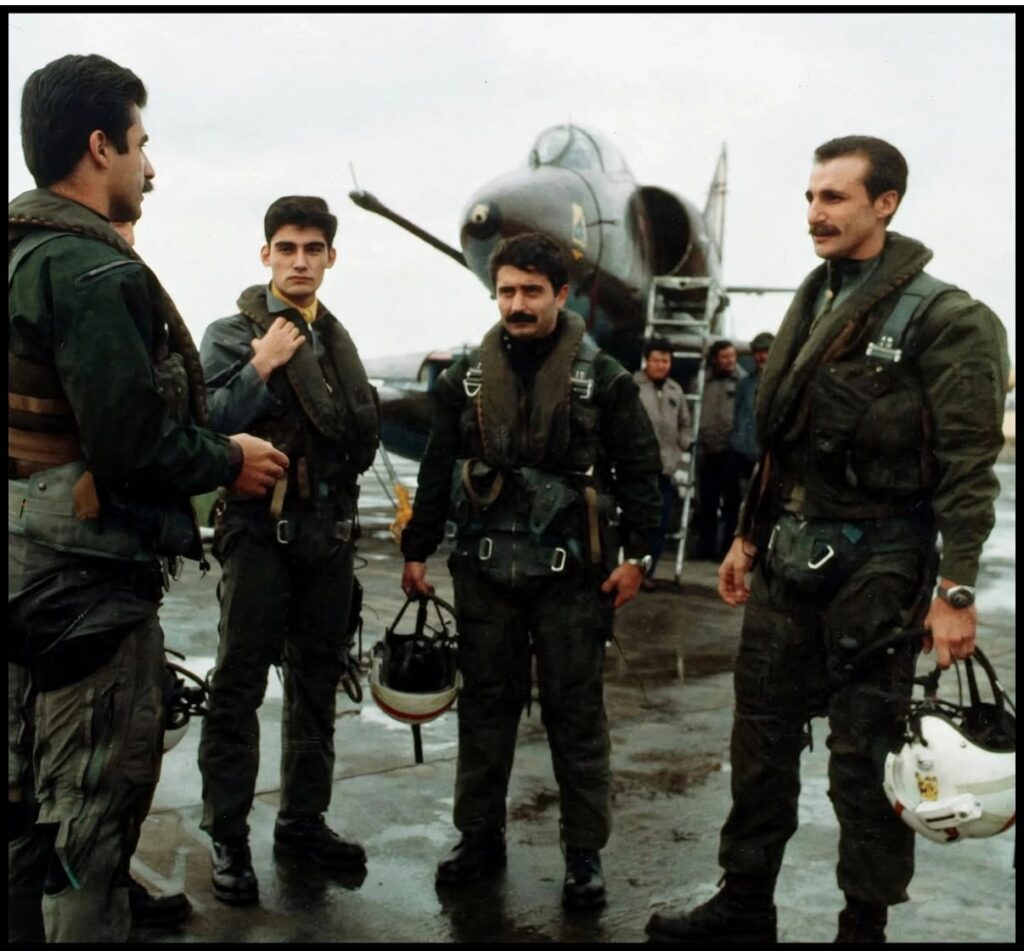
Rinke, primero de la derecha, por salir a la flota inglesa


* 8 de junio de 1982: formó parte de la Escuadrilla Dogo, durante el ataque a los buques británicos Sir Galahad y Sir Tristram en Bahía Agradable, una de las acciones más contundentes de las fuerzas argentinas durante el conflicto.


Más allá de sus condiciones como piloto de combate, Rinke fue un hombre profundamente comprometido con sus camaradas, su familia y sus convicciones espirituales.

Afrontaba sus misiones rezando el rosario y, después de la guerra, dedicó parte de su vida a brindar conferencias y compartir sus experiencias, destacando siempre el valor de sus compañeros y recordando especialmente a quienes no regresaron.


Una de sus expresiones más conmovedoras sintetiza el sentimiento de los combatientes:

«Salir con un compañero y volver sin él… eso no se olvida».


Padre de cinco hijos, formó una familia que también incluye a doce nietos. Su fallecimiento se produjo en Córdoba, después de una dura lucha contra la leucemia y de recibir un trasplante de médula ósea, cuya donación realizó su hijo Lucas.


Su despedida contó con honores militares en el ámbito de la Guarnición Aérea Córdoba, acompañado por familiares y camaradas de la Fuerza Aérea Argentina.


Fundamento del homenaje


La designación de un espacio público de Buenos Aires con su nombre representa mucho más que un reconocimiento individual.


Significa incorporar a la memoria urbana de la Ciudad el testimonio de una generación de argentinos que defendió nuestra soberanía nacional en las Islas Malvinas.


Significa también transmitir a las nuevas generaciones valores que merecen perdurar: el coraje, la camaradería, el espíritu de sacrificio, la vocación de servicio, el profesionalismo y el amor por la Patria.


Primicias Rurales

Carlos Rinke es el gran héroe de la historia de la Aviación Militar Argentina.  El que más salidas y horas de combate aéreo tuvo (Artículo traducido al inglés) Surgió la iniciativa de poner su nombre a una calle porteña

Carlos Rinke es el gran héroe de la historia de la Aviación Militar Argentina. El que más salidas y horas de combate aéreo tuvo (Artículo traducido al inglés) Surgió la iniciativa de poner su nombre a una calle porteña

Su bautismo de fuego coincidió con el de la Fuerza Aérea Argentina. Es recordado por participar en arriesgadas misiones en la guerra del Atlántico Sur. Fueron seis y siempre volvió intacto e incluso en una salvó a su líder, comodoro (R) VGM Pablo Carballo. Como piloto de A 4B, estuvo en el ataque a los buques Broadsword y Coventry y participó del ataque en Bahía Agradable, en Malvinas. Falleció en Córdoba y tenía 70 años


Buenos Aires, sábado 31 octubre (PR/26) — Ese adolescente entusiasmado esperando ansioso que llegase la Semana del Aire y el Espacio que reunía en un solo lugar a aviones de distintos tipos y modelos, aquel que de chico armaba maquetas de aviones, que soñó en grande cuando el hombre llegó a la luna, y que terminó de deslumbrarse cuando vio por primera vez los recién adquiridos A 4B, acaba de cumplir su última misión.

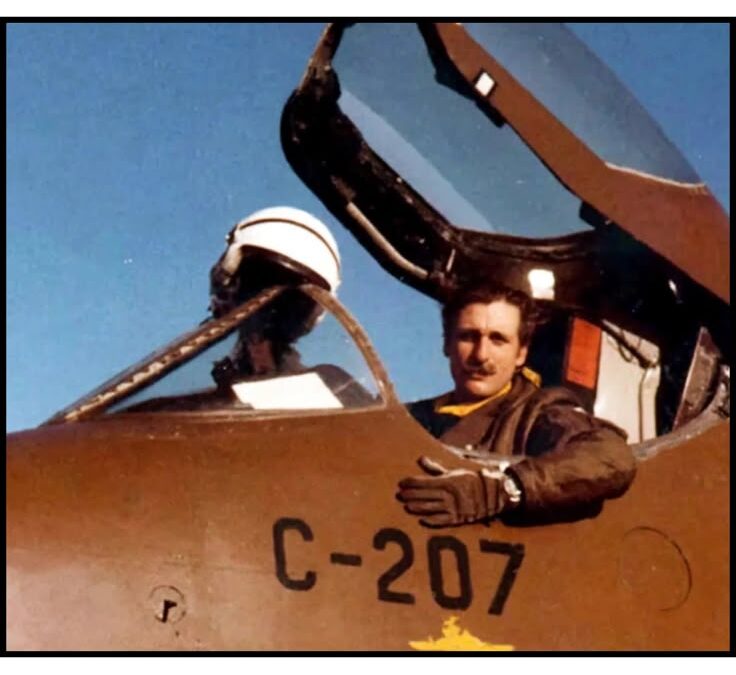
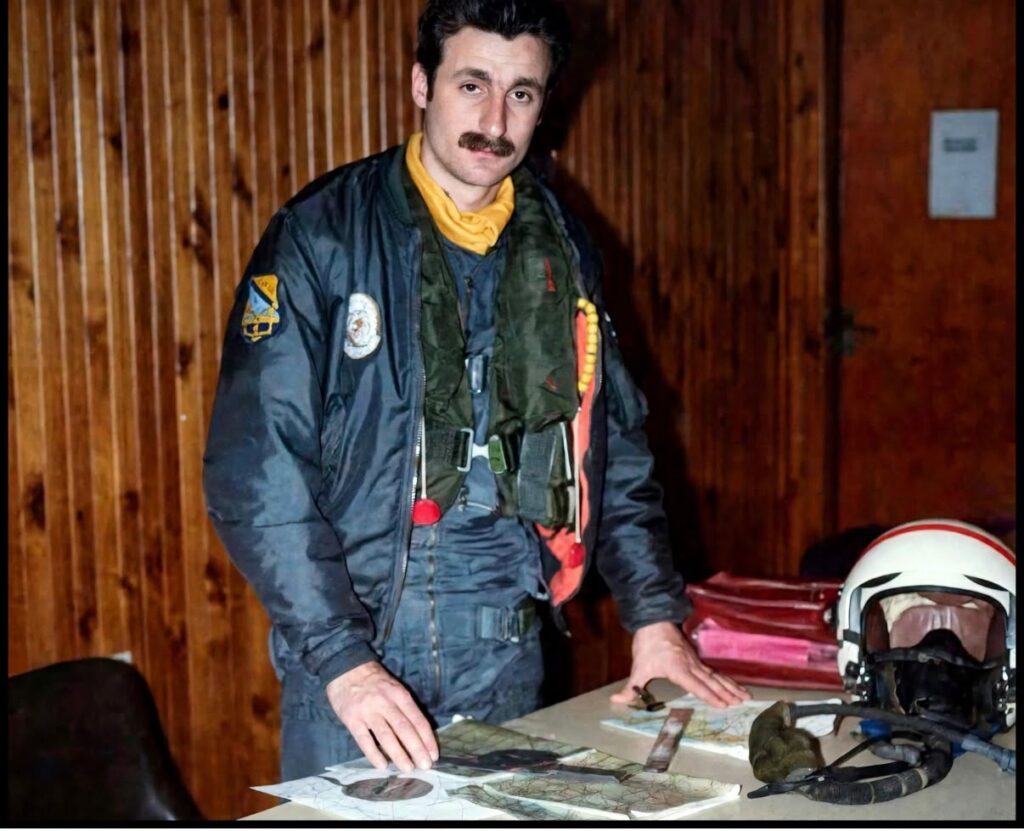
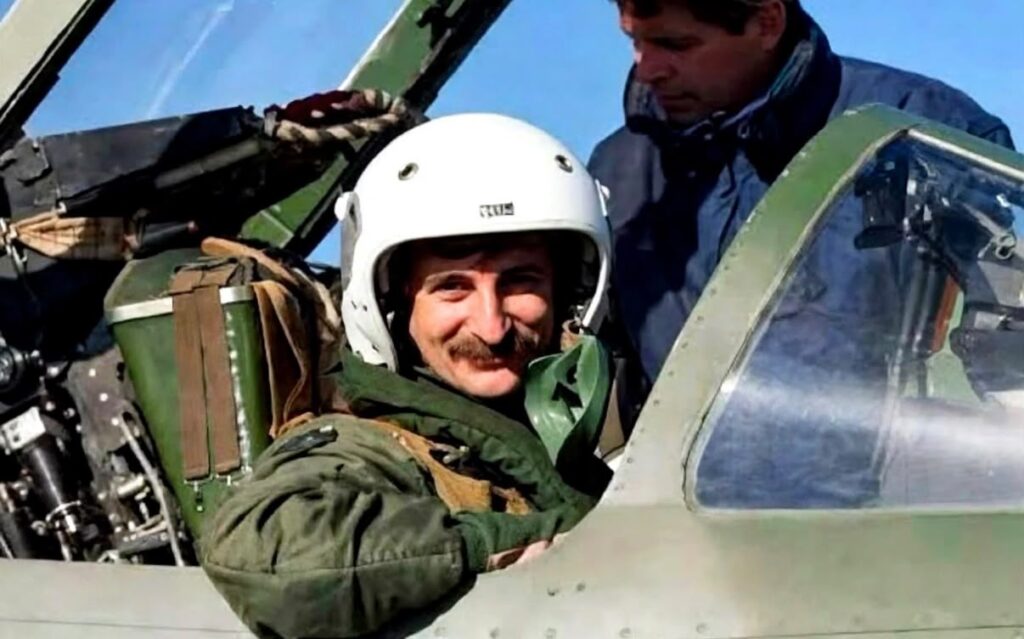
Carlos Rinke, con su uniforme de piloto de combate. En Malvinas participó en media docena de acciones

El comodoro retirado veterano de la Guerra de Malvinas Carlos Alfredo Rinke, el “Numeral de Hierro”, piloto de A-4B Skyhawk del Grupo 5 de Caza que en 1982 participó en seis salidas de combate contra la flota británica y volvió de todas ellas, falleció a los 70 años luego de un trasplante de médula ósea que le donó su hijo menor, Lucas, el 19 de octubre de 2026, pero no sobrevivió  a la leucemia.

El capitán Pablo Carballo, el alférez Jorge Barrionuevo, el teniente Carlos Rinke y el 1er teniente Mariano Velasco del Grupo 5 de Caza en la base de Río Gallegos de la Fuerza Aérea durante la guerra de Malvinas.


Descendiente de un bisabuelo alemán de Hamburgo, Rinke había nacido en la ciudad de Buenos Aires el 17 de febrero de 1956 y desde chico vivió en San Isidro. Tan entusiasmado quedó que, cursando el tercer año del secundario, quiso entrar a la Escuela de Aviación Militar y lo rebotaron porque no cumplía con la edad. Ingresó dos años después, con la idea de transformarse en piloto de caza. Se había recibido de oficial en 1979.

Cuando estalló la guerra, estaba en la V Brigada Aérea y combatió a bordo de un Douglas A-4B Skyhawk del Grupo 5 de Caza. Entonces, “el flaco Rinke” era un teniente de 26 años, casado con una hija muy chica y estaban esperando otra, que nacería en agosto.

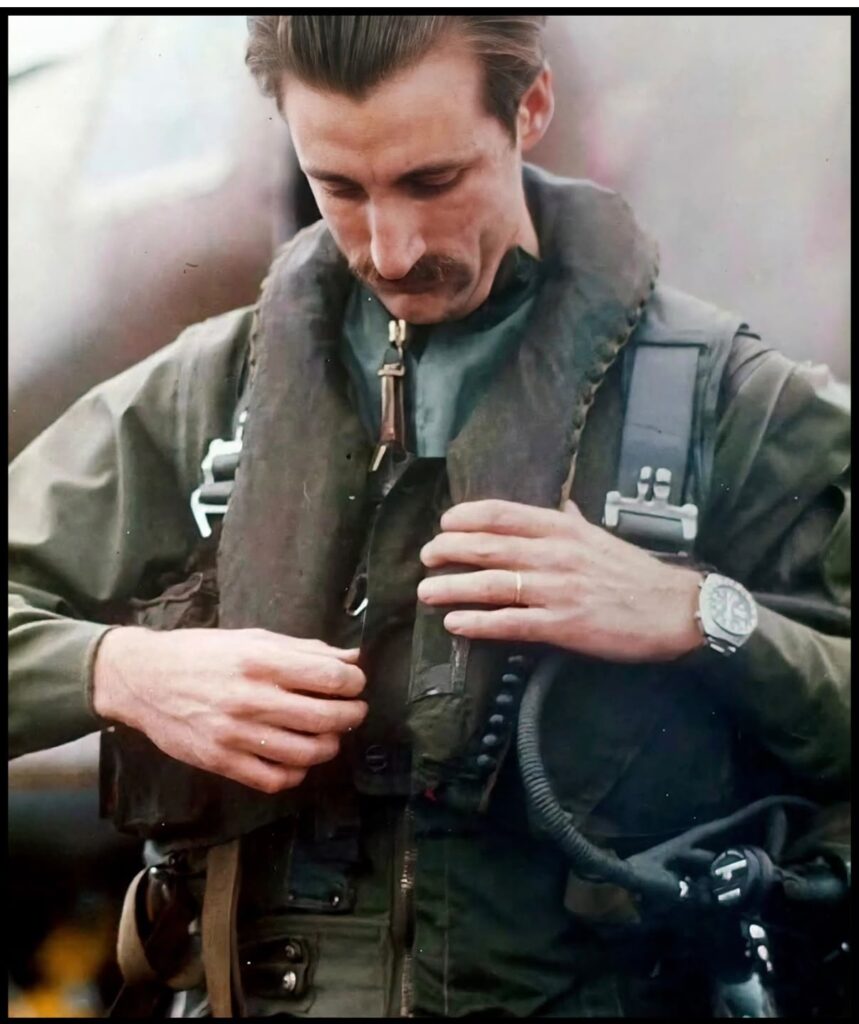
Carlos Rinke.
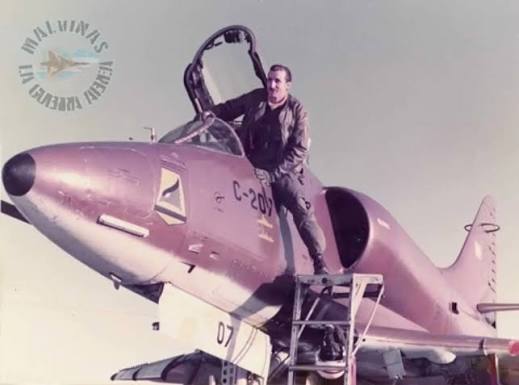
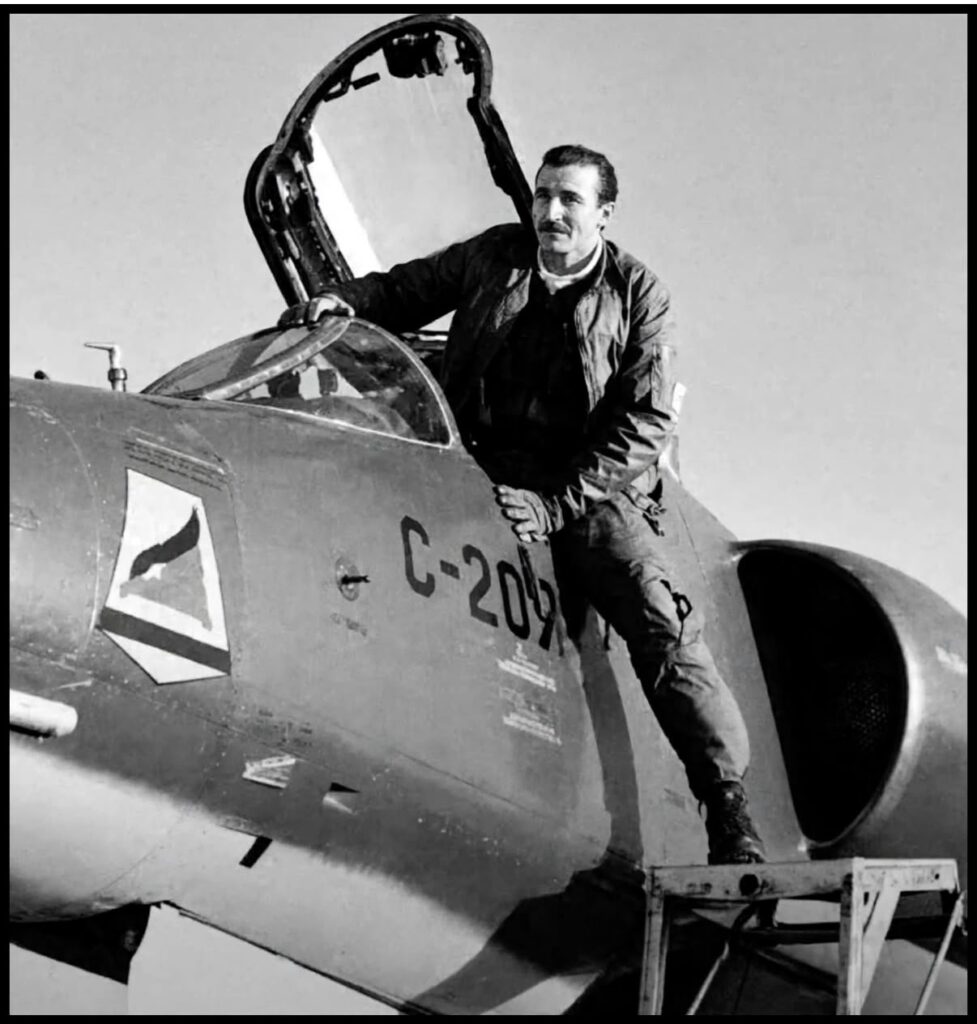
Carlos Rinke a A bordo de su herramienta de trabajo. En el ataque a Bahía Agradable, integró la primera oleada

Su bautismo de fuego fue el 1 de mayo y no lo recordaba como un gran día. Antes de llegar a la zona de blanco, la escuadrilla que integraba tuvo la mala suerte de cruzarse con un buque, que resultó ser el Formosa, al que atacaron. Participó en misiones los días 21, 23, 25 y 27 de mayo y 8 de junio.

El 23 de mayo, la escuadrilla Nene partió de la base de Río Gallegos para atacar blancos de ocasión. Ese día, que presentaba un cielo encapotado, el plan era que despegaran ocho pilotos ordenados en dos escuadrillas. Pero por problemas técnicos en algunas de las máquinas, se armó una sola conformada por el capitán Pablo Carballo, el primer teniente Luciano Guadagnini, el teniente Carlos Rinke y el alférez Hugo Gómez.

Hundimiento del Destructor Coventry, acción que Rinke evocaba particularmente

Volaban bajo, separados unos cincuenta metros cada uno. Enfilaron hacia el norte y cuando veían a la bahía de San Carlos a su derecha, se encontraron con varios buques enemigos. Los pilotos se repartieron los blancos: Carballo y Gómez se dirigieron al norte de la bahía y atacaron la fragata Antelope.

Guadagnini y Rinke enfilaron hacia la izquierda y la atacaron. Le arrojaron una bomba que no dio en el blanco.

Desde la Antelope, cuando distinguieron al avión de Guadagnini le abrieron fuego, y también desde tierra. Hicieron blanco en su ala derecha lo que provocó que su avión se inclinase de tal forma que pareció que se estrellaría en el agua.

Sin embargo, el piloto logró enderezarlo y cuando trataba de salir impactó con el mástil de la nave y el avión, destrozado, cayó al mar. Seguidamente, dio en el blanco la bomba que había arrojado pero no explotó, alojándose en la cámara de suboficiales y matando a un camarero de 18 años.

Teniente Carlos Alfredo RINKE,Alferez Hugo GOMEZ,Alferez Ruben VOTTERO. Agachados: Capitan Pablo Marcos CARBALLO,Primer Teniente Carlos Eduardo CACHON

Rinke evocaba especialmente la misión del 25 de mayo, cuando hundieron el destructor Coventry, en la que ningún avión había sido derribado y se logró hundir un buque.

Fue, además, uno de los pilotos que atacaron a la flota inglesa el 8 de junio en Bahía Agradable, que pasó a la historia como el mayor desastre británico en la guerra de Malvinas.

Ese martes integró la primera oleada de ataque. Por desperfectos técnicos, se conformó una sola escuadrilla con el primer teniente Carlos Cachón, el alférez Leonardo Carmona, el propio Rinke, el teniente Daniel Gálvez y el alférez Hugo Gómez.

8 de junio: ataque de la aviación argentina en Bahía Agradable, donde los británicos planeaban desembarcar

El día presentaba muy baja visibilidad, con mucha neblina. Volaban al ras del agua. Para ese piloto de 26 años era algo “muy lindo y desafiante” y no sentía el temor de lo que pudiera pasar.

Integraba una de las promociones más jóvenes que estaban combatiendo: dos tenían 25 años, otros dos 26 y uno 28.

Tuvieron dificultad en identificar a los buques enemigos, camuflados en la costa. En una de las pasadas, fue Gómez el que los avistó. La escuadrilla realizó un amplio viraje hacia la derecha para atacar.

Después de Malvinas continuó su carrera. Su último destino fue en el Grupo 4 de Cazabombardeo en Mendoza, y había sido agregado aeronáutico adjunto en la embajada argentina en Estados Unidos entre 2001 y 2002.

En 2005, luego de más de treinta años de carrera, se había retirado como comodoro. Si bien durante toda su vida había sido piloto, pasaba su tiempo no en el aire sino bien pegado al agua, con un velero en el Lago San Roque.

No quiso volcarse a la escritura de lo que había vivido en Malvinas, aunque fue a numerosas a escuelas a dar charlas y se prestaba a muchas conferencias.

Apodado durante la guerra “Numeral de Hierro” por su arrojo en el combate y por la seguridad que le brindaba a sus camaradas, repetía que “salir con un compañero y volver sin él… eso no se olvida”.

Explicación: 

Cuando decimos que el nombre del comodoro (R) VGM Carlos Alfredo Rinke es el de mayor trayectoria entre los pilotos de la Aviación Militar Argentina, involucramos a la Aviación de Ejército Argentino cuyo bautismo de fuego ocurrió en 1975 en Tucumán, provincia argentina, en el marco del Operativo Independencia contra-terrorista.

También  a la Aviación Naval Argentina cuyo bautismo de fuego ocurrió el 4 de mayo de 1982 durante la Guerra de Malvinas. Ese día, dos aviones Super Étendard de la Segunda Escuadrilla Aeronaval de Caza y Ataque —reabastecidos en vuelo por un avión KC-130 de la Fuerza Aérea— despegaron y atacaron con misiles antibuque Exocet AM 39 al destructor británico HMS Sheffield, provocándole daños fatales. Esta acción marcó el primer ataque aeronaval exitoso de la Armada Argentina en un conflicto bélico real.


Surgió una iniciativa de poner el nombre de Carlos Alfredo Rinke como veterano de Malvinas en una calle de la Ciudad de Buenos Aires.
Si estás de acuerdo con esta iniciativa, por favor, compartí esta publicación para que el mensaje llegue a más argentinos.

Comentario: 

Sería un buen y MERECIDO homenaje… y tener un héroe de estos tiempos… es un ejemplo tangible y motivo de orgullo para las nuevas generaciones … un héroe contemporáneo que en la plenitud de su juventud arriesgo su vida por esta nación … por todos nosotros … y sembró la admiración de sus camaradas y el respeto del enemigo. 

En el 82 tenía 8 años … estaba en segundo grado … vivi con intensidad las noticias de la guerra y me acuerdo de Nicolás Kasanzew … es increíble que hayan pasado tantos años … y el recuerdo de los hechos y las emociones sigue tan intenso …


Gabriel Schomvetter, Paraná, Entre Ríos. Analista de sistemas. 

Nota original: Por Adrián Pignatelli /Infobae


Versión en inglés

Carlos Rinke is the great hero in the history of Argentine Military Aviation. He logged the highest number of combat sorties and flight hours. (Article translated into English)


His baptism by fire coincided with that of the Argentine Air Force. He is remembered for his participation in high-risk missions during the South Atlantic War. He flew six such missions, returning unscathed each time; on one occasion, he even saved his flight leader, Commodore (Ret.) Pablo Carballo—a veteran of the conflict. As an A-4B pilot, he took part in the attacks on the ships *Broadsword* and *Coventry*, as well as the operation at Bluff Cove (Bahía Agradable). He passed away in Córdoba at the age of 70.


[Photograph: Carlos Rinke in his fighter pilot uniform. During the Malvinas War, he took part in half a dozen combat operations.]


That enthusiastic teenager who eagerly awaited Air and Space Week, an event that brought together aircraft of all types and models in one place; the boy who built airplane scale models and dreamed big when mankind reached the Moon; and the young man who became completely fascinated when he first saw the newly acquired A-4B Skyhawks, has now completed his final mission.

Retired Commodore Carlos Alfredo Rinke—a Falklands War veteran known as the “Iron Wingman” and an A-4B Skyhawk pilot with the 5th Fighter Group—passed away at the age of 70. In 1982, he had flown six combat sorties against the British fleet, returning safely from each one. He underwent a bone marrow transplant—with his youngest son, Lucas, serving as the donor—on October 19, 2026, but ultimately did not survive the leukemia.

[Photograph: Captain Pablo Carballo, Ensign Jorge Barrionuevo, Lieutenant Carlos Rinke, and First Lieutenant Mariano Velasco of the 5th Fighter Group at the Río Gallegos Air Force Base during the Malvinas War.]

A descendant of a German great-grandfather from Hamburg, Rinke was born in Buenos Aires on February 17, 1956, and spent his childhood in San Isidro. So determined was he to become a pilot that, during his third year of secondary school, he tried to enroll in the Military Aviation School but was rejected because he was too young. Two years later he was accepted, with the goal of becoming a fighter pilot. He graduated as an officer in 1979.

He completed four years as a cadet, during which aircraft were mostly seen from a distance. In 1978 he became an officer, and the following year he completed fighter pilot training in Mendoza flying the Morane-Saulnier aircraft.

When the war began, he was assigned to the V Air Brigade and flew combat missions in a Douglas A-4B Skyhawk with the 5th Fighter Group. At the time, the “skinny Rinke” was a 26-year-old lieutenant, married, with a young daughter and another child on the way, who would be born in August.


[Photograph: Carlos Rinke beside his aircraft. During the attack on Bluff Cove, he flew in the first assault wave.]

His first combat mission took place on May 1, 1982, a day he did not remember fondly. Before reaching their intended target area, his squadron unexpectedly encountered a vessel later identified as the Formosa, which they attacked. He would later fly missions on May 21, 23, 25, and 27, and on June 8.

A devout Catholic, he had the habit of praying the Rosary before departing on combat missions.

The Attack on Broadsword

On May 23, the “Nene” flight departed from Río Gallegos Air Base to seek targets of opportunity. The plan called for eight pilots in two flights, but technical problems reduced the force to a single formation consisting of Captain Pablo Carballo, First Lieutenant Luciano Guadagnini, Lieutenant Carlos Rinke, and Ensign Hugo Gómez.


[Photograph: Sinking of the destroyer HMS Coventry, a mission Rinke remembered with particular pride.]

Flying low and approximately fifty meters apart, they headed north. As they saw San Carlos Bay to their right, they encountered several enemy ships.

Carballo and Gómez attacked the frigate HMS Antelope. Meanwhile, Guadagnini and Rinke turned toward HMS Broadsword and launched their attack. Their bomb missed the target.

As Guadagnini’s aircraft approached, both naval and ground defenses opened fire. His right wing was struck, causing the aircraft to roll sharply as if it would crash into the sea. He managed to regain control, but moments later his aircraft struck the ship’s mast. The badly damaged aircraft crashed into the ocean.

The bomb he had released hit the target but failed to explode, becoming lodged in the petty officers’ quarters. It nevertheless caused the death of an 18-year-old steward.


[Photograph: Lieutenant Carlos Alfredo Rinke, Ensign Hugo Gómez, and Ensign Rubén Vottero. Kneeling: Captain Pablo Marcos Carballo and First Lieutenant Carlos Eduardo Cachón.]

The Sinking of HMS Coventry

Rinke often highlighted the mission of May 25, when Argentine aircraft sank the destroyer HMS Coventry. He regarded it as a particularly significant success because no Argentine aircraft were lost and the attacking force succeeded in sinking an enemy warship.

Bluff Cove: The Largest British Disaster of the War

Rinke was also among the pilots who attacked British forces at Bluff Cove (Bahía Agradable) on June 8, an operation widely regarded as the greatest British disaster during the Malvinas War.

That Tuesday he flew as part of the first attack wave. Due to technical problems, only one flight was formed, led by First Lieutenant Carlos Cachón and including Ensign Leonardo Carmona, Lieutenant Carlos Rinke, Lieutenant Daniel Gálvez, and Ensign Hugo Gómez.

Rinke later described Cachón as an exceptionally disciplined pilot. Together with First Lieutenant Mariano Velasco, who had scored hits against Coventry on May 25, Cachón was known for his outstanding bombing accuracy.


[Photograph: June 8 attack by Argentine aviation at Bluff Cove, where British forces were preparing an amphibious landing.]

The weather featured extremely poor visibility and dense fog. Flying just above the water, Rinke considered the mission “very enjoyable and challenging” and did not dwell on the dangers involved.

Their group belonged to one of the youngest combat cohorts in the war: two pilots were 25 years old, two were 26, and one was 28.

The pilots initially struggled to identify enemy ships because they were concealed along the shoreline. Gómez eventually spotted them, and the formation carried out a wide right turn to begin the attack.

The pilots were surprised to receive almost no enemy fire. They attacked the landing ships Sir Galahad and Sir Tristram. Bombs dropped by Cachón struck their targets, while Rinke’s bombs skipped off the water and exploded on the coast. The formation then returned to base without rearming.

A second attack wave followed later, producing some of the war’s most dramatic moments for Argentine pilots.

Life After the War

Following the Malvinas conflict, Rinke continued his Air Force career. His final posting was with the 4th Fighter-Bomber Group in Mendoza. Between 2001 and 2002, he served as Deputy Air Attaché at the Argentine Embassy in the United States.

In 2005, after more than thirty years of service, he retired with the rank of Commodore. Although aviation had defined his life, he preferred spending his free time near the water, sailing on Lake San Roque.

He was married to María Gabriela Fierro and was the father of five children: María, Josefina, Tomás, Juan, and Lucas. He also had twelve grandchildren.

He never sought to write a memoir about his wartime experiences, although he frequently visited schools and participated in conferences to share his memories and lessons learned.

Known during the war as the “Iron Wingman” because of his courage in combat and the confidence he inspired in fellow pilots, he often repeated a phrase that captured the lasting emotional impact of war:

“Going out on a mission with a companion and coming back without him… that is something you never forget.”

Explanation:

When we state that Commodore (Ret.) Carlos Alfredo Rinke—a veteran of the Malvinas War (VGM)—possesses the most extensive service record among pilots in the Argentine military aviation branches, this also encompasses the Argentine Army Aviation, whose baptism by fire took place in 1975 in the Argentine province of Tucumán, as part of the counter-terrorist «Operation Independence.»

And also to the Argentine Naval Aviation, whose baptism of fire took place on May 4, 1982, during the Falklands War.On that day, two Super Étendard aircraft from the 2nd Naval Fighter and Attack Squadron—having been refueled in mid-air by an Argentine Air Force KC-130 tanker—took off and launched Exocet AM 39 anti-ship missiles at the British destroyer HMS Sheffield, inflicting fatal damage. This operation marked the first successful naval aviation strike by the Argentine Navy in an actual armed conflict.}
But Rinke surpasses all the events that took place during air operations.


An initiative has been launched to name a street in the City of Buenos Aires after Carlos Alfredo Rinke, a Falklands (Malvinas) veteran. If you support this initiative, please share this post so that the message reaches more Argentines.

Commentary:

It would be a fitting and WELL-DESERVED tribute… and having a hero from these times serves as a tangible example and a source of pride for new generations—a contemporary hero who, in the prime of his youth, risked his life for this nation, for all of us, earning the admiration of his comrades and the respect of the enemy.

Back in ’82, I was 8 years old—in the second grade. I followed the news of the war intensely, and I remember Nicolás Kasanzew. It’s incredible how many years have passed, yet the memory of those events and the emotions surrounding them remain so vivid.

Gabriel Schomvetter, Paraná, Entre Ríos. Systems Analyst.

Original Source Adrián Pignatelli / Infobae: obituary article on Carlos Alfredo Rinke, Argentine Air Force veteran and Malvinas War combat pilot.  Matilde Fierro / Primicias Rurales


Traducción al inglés: María Marta Cafiero