Un fantasma llamado Fibromialgia: el dolor invisible que desafía a la medicina y transforma vidas (columna traducida al inglés)
Una mirada profunda hacia un padecimiento silencioso que afecta a millones de personas en todo el mundo, revelando los testimonios, los avances científicos y las historias de superación que buscan derribar los mitos del dolor crónico.
Por Gonzalo Fierro, médico reumatólogo y clínico MN 200215. También especialista en cine.
gfierro02@gmail.com
Buenos Aires, martes 8 septiembre (PR/26)--Stefani Joanne Angelina Germanotta, nacida en Nueva York el 28 de marzo de 1986, es una aclamada cantante, compositora, productora y actriz estadounidense reconocida mundialmente por su constante reinvención.
Con ventas estimadas en más de 124 millones de discos, figura entre las artistas musicales con mayores ventas de todos los tiempos y destaca por su versatilidad artística e indiscutible influencia cultural.
Su enorme impacto en la industria del entretenimiento ha sido reconocido de manera continua por prestigiosas publicaciones internacionales de la talla de Billboard, Rolling Stone, Forbes y Time.

Nos referimos, por supuesto, a la legendaria Lady Gaga, una figura emblemática que ha construido una trayectoria profesional sencillamente fabulosa y repleta de éxitos multitudinarios.
Criada en la ciudad de Nueva York, realizó sus estudios secundarios en el Convent of the Sacred Heart y asistió brevemente a la Tisch School of the Arts antes de retirarse. Decidida a volcarse por completo a la música, comenzó a actuar en la escena underground del Lower East Side de Manhattan y a desempeñarse activamente como talentosa compositora.
Su gran oportunidad llegó al firmar con la discográfica Interscope en 2007, alcanzando rápidamente un fabuloso reconocimiento internacional gracias al arrollador lanzamiento de su álbum debut The Fame. Ese éxito fundacional se consolidó poco después con la reedición The Fame Monster, etapa dorada que consagró sencillos históricos como «Poker Face», «Bad Romance», «Just Dance», «Paparazzi», «Telephone» y «Alejandro».

En la opinión de muchos críticos y fanáticos, Bad Romance representa un hito absoluto, cuyo icónico videoclip posee una producción espectacular y un vestuario alucinante memorable. Por sus atmósferas visuales y estética audaz, por momentos la producción evoca la fuerza conceptual y transgresora de los mejores videos del artista Marilyn Manson.

Pueden disfrutar de este histórico videoclip a través del siguiente enlace oficial: https://www.youtube.com/watch?v=qrO4YZeyl0I
Lady Gaga es, sin lugar a dudas, una artista integral con todas las letras que destaca en el panorama contemporáneo por poseer un prodigioso registro vocal de contralto. Su versatilidad quedó demostrada durante su magistral actuación de tributo a Julie Andrews en la ceremonia de los Premios Oscar 2015, luciendo una elegancia clásica inolvidable. En aquella memorable velada, deslumbró al auditorio mundial interpretando con maestría lírica un emotivo popurrí de las canciones principales del clásico cinematográfico La novicia rebelde.
Aquella deslumbrante presentación musical se encuentra disponible para ser revivida en el siguiente enlace: https://www.youtube.com/watch?v=-LRBQ3JTt7M

Más allá de la música, ha expandido sus horizontes como productora y escritora, realizando su esperado debut actoral en la célebre serie American Horror Story: Hotel. Posteriormente, en 2018, dio el salto a la pantalla grande protagonizando la película A Star Is Born, obra que cosechó un rotundo éxito de crítica y taquilla. La fabulosa banda sonora del film, impulsada por los célebres temas «Shallow», «Always Remember Us This Way» y «I’ll Never Love Again», logró cifras extraordinarias en ventas globales.
Para revivir la magia de esta aclamada interpretación cinematográfica, pueden acceder al siguiente video: https://www.youtube.com/watch?v=bo_efYhYU2A
En el año 2024 deslumbró al público interpretando a Patrizia Reggiani en el largometraje House of Gucci, encarnando a la mujer sentenciada por el asesinato de Maurizio Gucci. Su convincente caracterización dramática en este complejo drama biográfico fue recibida con elogios unánimes por parte de la prensa especializada y la crítica internacional.

El avance oficial de esta impactante producción cinematográfica puede ser visualizado en el siguiente enlace: https://www.youtube.com/watch?v=pGi3Bgn7U5U
Paralelamente a su arte, destaca por su firme compromiso político y su apasionada defensa de los derechos de las minorías, abarcando la salud mental y la juventud. Junto a su madre creó la Born This Way Foundation, una prestigiosa organización sin fines de lucro volcada de lleno a fomentar el bienestar integral de los jóvenes.
También es firme defensora de los derechos LGBTIQ+ / LGBTIQA+, Lady Gaga es una referente para este colectivo.

En el terreno público, es una activa defensora de las ideas del Partido Demócrata, participando de forma determinante en los cierres de campaña de Hillary Clinton, Joe Biden y Kamala Harris. Ese estrecho vínculo cívico culminó en 2021, cuando tuvo el supremo honor de entonar el himno nacional durante la emotiva investidura presidencial de Joe Biden.

En el ámbito social, ha condenado abiertamente las políticas migratorias estrictas del ICE, impulsando con vehemencia una necesaria y profunda reforma migratoria humanitaria. Asimismo, colabora activamente en campañas públicas destinadas a concientizar a la sociedad y erradicar definitivamente la violencia de género y los abusos hacia las mujeres.
La dura batalla de Lady Gaga contra la Fibromialgia
Detrás de las luces del escenario, la salud de la artista enfrentó un quiebre en 2013 tras sufrir una fractura de cadera que la obligó a suspender su gira. Aquella grave lesión requirió una intervención quirúrgica compleja y marcó el inicio insidioso de una serie de intensos dolores crónicos que alteraron su vida cotidiana.
En 2017, la cantante decidió romper el silencio y visibilizó abiertamente su padecimiento a través del conmovedor documental de Netflix titulado Gaga: Five Foot Two. La severidad de las crisis la obligó a cancelar compromisos multitudinarios de enorme trascendencia, tales como su esperada actuación en el festival Rock in Rio y su gira europea.
La estrella describió padecer fatiga extrema, agudos problemas de sueño, dolor generalizado y profundos episodios de ansiedad, llegando a confesar que su vida parecía una pesadilla. Sin embargo, en una reciente entrevista concedida a la revista Vogue, reveló con alegría haber completado su gira Chromatica Ball prácticamente sin dolor físico alguno. De este modo, se ha transformado en una de las voces globales más valientes e influyentes para concientizar sobre el dolor crónico y romper los tabúes de la enfermedad.
Figuras públicas que comparten el diagnóstico de dolor crónico
La fibromialgia no discrimina y afecta a numerosas personalidades internacionales que han decidido hablar públicamente sobre su diagnóstico para llevar tranquilidad y concientización a la sociedad.
El legendario actor Morgan Freeman reveló su diagnóstico en 2012 durante una entrevista con la revista Esquire, vinculando sus padecimientos a las secuelas de un accidente sufrido en 2008.

Por su parte, la aclamada actriz estadounidense Maura Tierney, reconocida por sus inolvidables papeles protagónicos en las exitosas series ER Emergencias y Law & Order, ha compartido su experiencia.
La recordada cantante irlandesa Sinéad O’Connor explicó en su momento que este padecimiento motivó su alejamiento temporal de la música, señalando al estrés como un factor agravante.
Asimismo, la actriz Susan Flannery, estrella de la célebre telenovela The Bold and the Beautiful, ha expuesto abiertamente su prolongada vivencia personal conviviendo con este síndrome.
La comediante Roseanne Barr y la talentosa actriz Janeane Garofalo también forman parte de la nómina de artistas que han hablado sin tapujos sobre el impacto de la enfermedad.

A esta lista de personalidades se suman la popular cantante estadounidense Paula Abdul y la actriz mexicana María Antonieta de las Nieves, recordada por su personaje de La Chilindrina.
¿Qué tipo de enfermedad es exactamente la Fibromialgia?
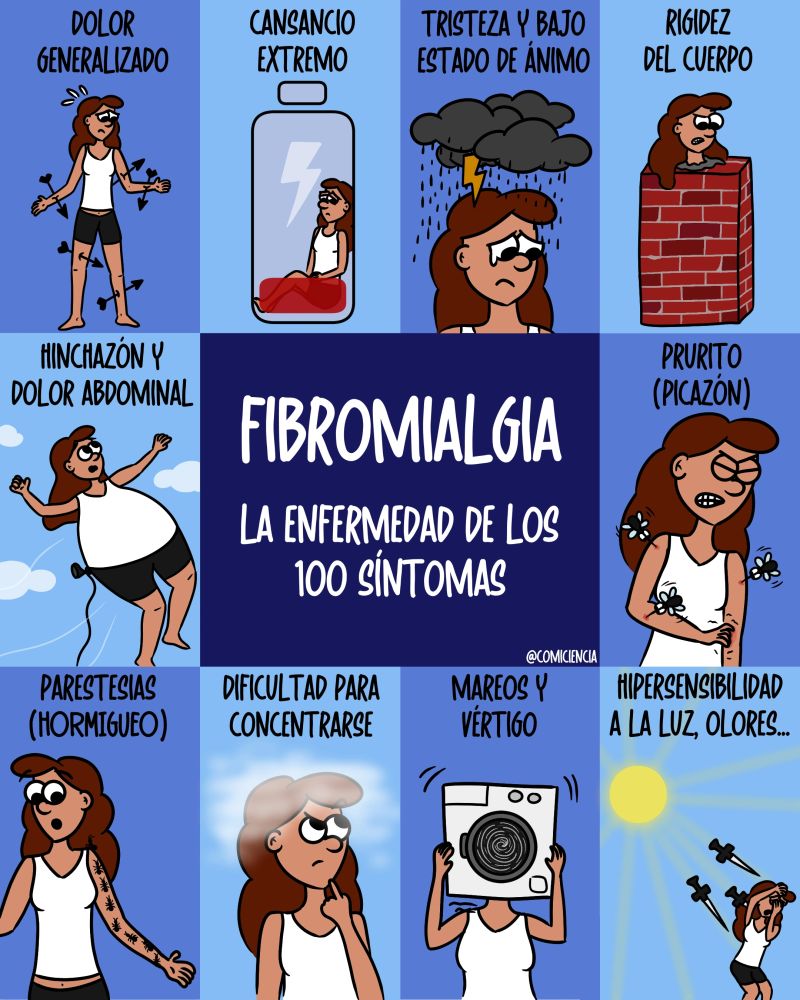
Desde el punto de vista médico, la fibromialgia es definida rigurosamente como un complejo síndrome de dolor crónico de origen no articular profundamente incapacitante.
Presenta una prevalencia global estimada entre el 2% y el 8% de la población mundial, registrando un predominio femenino sumamente marcado en las estadísticas. Esta condición genera un impacto, a veces devastador, en la calidad de vida de los pacientes, representando además una carga elevada para los sistemas sanitarios globales.
El diagnóstico es estrictamente clínico, lo que significa que no existe actualmente un análisis de laboratorio, biomarcador específico ni estudio radiológico que pueda confirmarlo con certeza. Por este motivo, los profesionales de la salud deben tener un alto índice de sospecha y pensar activamente en la enfermedad al evaluar cuadros complejos.

La paciente típica representa un desafío enorme para el diagnóstico visual, pues a simple vista su apariencia externa suele lucir completamente saludable y sin signos evidentes.
A menudo catalogada como una enfermedad invisible, es muy común que las pacientes sufran la incomprensión social y escuchen con impotencia frases descalificadoras.
A diferencia de las patologías reumáticas destructivas, no genera deformidades articulares, procesos inflamatorios visibles ni alteraciones colorimétricas en la piel de quienes la sufren. No obstante, debido al sufrimiento incesante, el ansiado sueño reparador resulta inalcanzable, reflejando en el rostro signos de fatiga crónica y marcadas ojeras.
Criterios diagnósticos actualizados según el ACR
La evolución médica de los criterios dictados por el American College of Rheumatology ha transformado sustancialmente el abordaje desde los viejos puntos dolorosos de 1990. Tras las revisiones de 2010 y 2011, la actualización formal de 2016 establece que para arribar a un diagnóstico certero deben cumplirse tres condiciones fundamentales de forma simultánea:
- En primer lugar, registrar un Índice de Dolor Generalizado (WPI) ≥7 con Escala de Severidad de Síntomas (SS) ≥5, o bien un WPI entre 3 y 6 acompañado de un SS ≥9.
- En segundo término, la persistencia ininterrumpida de toda esta sintomatología durante un período mínimo de al menos tres meses continuos con similar severidad.
- Por último, la ausencia de otros trastornos subyacentes que expliquen de mejor manera el dolor, obligando a descartar rigurosamente patologías como artritis reumatoide o hipotiroidismo.
Abordaje terapéutico multidisciplinario y evidencia científica
El correcto manejo clínico de la patología requiere de manera indispensable un enfoque multidisciplinario que combine armónicamente distintas herramientas de intervención.
En el plano estrictamente farmacológico, los agentes más extendidos son la duloxetina, la pregabalina y el milnaciprán, orientados a modular la respuesta nerviosa.
Por su parte, la práctica regular de ejercicio aeróbico gradual constituye la intervención no farmacológica con mayor respaldo científico para combatir la fatiga.
Asimismo, la terapia cognitivo-conductual brinda herramientas psicológicas fundamentales que optimizan la gestión emocional del sufrimiento y mejoran sustancialmente el afrontamiento.
Complementariamente, la aplicación de técnicas miofasciales ha demostrado avances notables en la disminución del dolor y en la calidad del descanso nocturno.
El consenso médico actual enfatiza que solo la integración de estrategias físicas, psicológicas y farmacológicas ofrece un tratamiento integral y efectivo a largo plazo.
Farmacología aprobada por la FDA y opciones off-label
Es crucial remarcar que la FDA ha otorgado aprobación oficial únicamente a tres medicamentos específicos para el tratamiento directo de la fibromialgia:
- La duloxetina, administrada en dosis de 60 a 120 mg/día, mostró en su dosis máxima la mayor reducción del dolor corporal y de la sintomatología depresiva asociable.
- El milnaciprán, prescrito en rangos de 100 a 200 mg/día, actúa eficazmente sobre la modulación central del dolor a nivel del sistema nervioso.
- Por último, la pregabalina, en dosis de 150 a 600 mg/día, actúa frenando el fenómeno neurológico conocido como sensibilización central.
En paralelo, existen fármacos off-label respaldados por sólida evidencia, destacándose la amitriptilina, que ofrece notables avances en el descanso, fatiga y calidad de vida. Otras opciones alternativas incluyen la gabapentina, la ciclobenzaprina para conciliar el sueño y la naltrexona a dosis bajas por su prometedora acción neuroinflamatoria.
Por el contrario, los especialistas advierten categóricamente que deben evitarse los opioides fuertes, los corticoides y los AINEs por su falta de eficacia comprobada.
Teorías científicas sobre los orígenes de la enfermedad
Aún cuando la causa exacta permanece desconocida, la ciencia propone un modelo multifactorial que entrelaza factores genéticos, neurológicos, ambientales y psicológicos.
La hipótesis más sólida define a la fibromialgia como un trastorno caracterizado por la sensibilización central y la alteración en el procesamiento cerebral de los estímulos nociceptivos. Los pacientes perciben molestias ante estímulos mínimos y sufren de una severa deficiencia en sus sistemas analgésicos endógenos encargados de autorregular el dolor.
Junto a una comprobada predisposición genética, existen desencadenantes ambientales determinantes tales como traumas físicos, infecciones agudas o situaciones de estrés emocional. El estrés biológico continuado y las experiencias adversas en la infancia pueden alterar para siempre el funcionamiento del eje hipotálamo-hipófisis-suprarrenal.
Asimismo, se registran desequilibrios profundos en neurotransmisores clave como la serotonina, además de alteraciones inflamatorias y anomalías en los péptidos opioides.
En síntesis, la comunidad médica coincide en un modelo biopsicosocial donde interactúan de manera compleja la vulnerabilidad neurobiológica y los factores estresantes del entorno.
Historias de vida en primera persona: las voces de Paula y Patricia
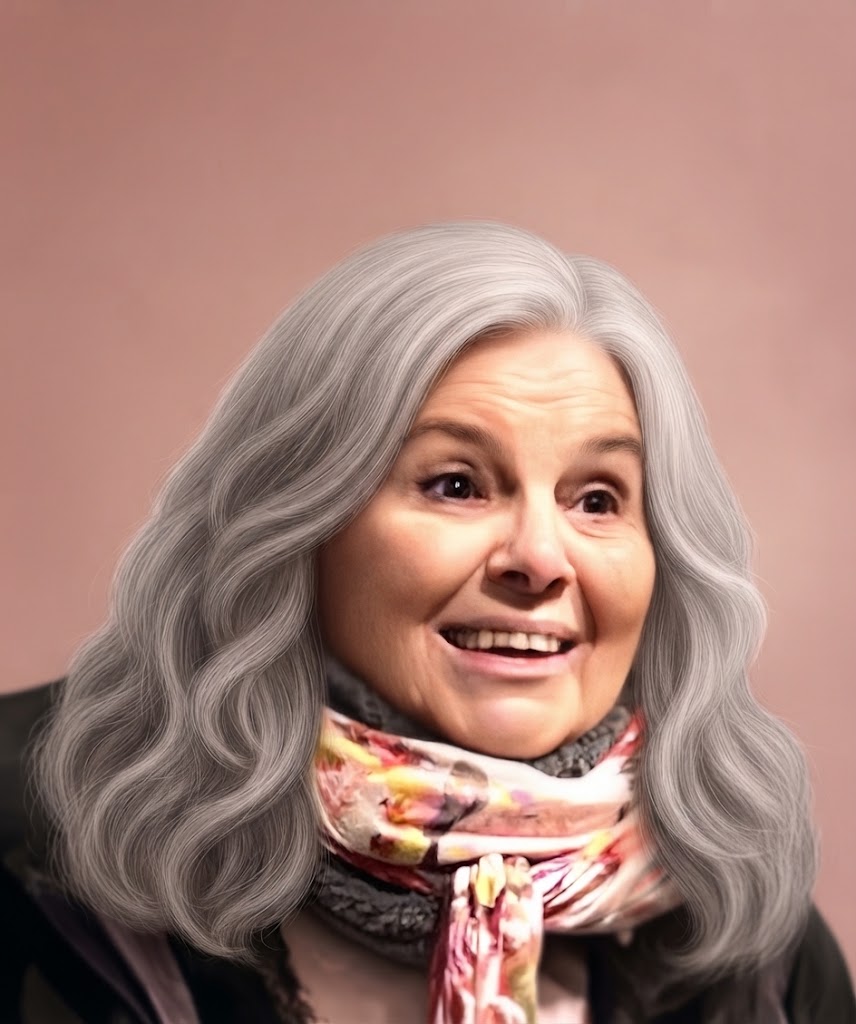
Paula y Patricia son dos pacientes que atendí hace muchos años tras un largo periplo médico lleno de estudios negativos e inmensa frustración acumulada.
Testimonio de Paula, 56 años, comerciante área textil, ama de casa, madre de 5 hijos, tiene 3 nietos
“Comencé con síntomas a los 31 años; sentía un dolor atroz en todo el cuerpo, como si tuviera moretones internos por todas partes. Un especialista presionó determinados puntos sensibles que me dolieron muchísimo, y posteriormente una reumatóloga confirmó el diagnóstico definitivo de fibromialgia.
Inicié así un largo derrotero probando medicamentos. Este padecimiento es sumamente cíclico y hay meses terribles donde cada día se convierte en una pesadilla. Al no tolerar la pregabalina ni los antidepresivos, ante las crisis recurro al paracetamol de 1 gramo junto a un relajante muscular para sobrellevar la jornada.
El desgaste físico es absoluto; me duele el rostro, la mandíbula y me levanto exhausta. Hay días en que incluso ponerme una remera resulta un suplicio. Afortunadamente, mi familia siempre ha sido muy empática; mi marido aprendió a conocer mi cara de dolor y me brinda un apoyo incondicional constante.
Gracias a Dios mi familia me acompaña. Mi marido se interiorizó en el tema, así que, él ya sabe cuando estoy en plena crisis. Ma ayuda, me da masajes en la espalda.
Lamentablemente, persiste mucha incomprensión médica* y social. Un reumatólogo llegó a derivarme al psiquiatra sin escucharme; por eso prefiero no hablar mucho del tema”.
Testimonio de Patricia, 58 años, ama de casa, madre de tres hijas y una nieta.

“En 2008, sin previo aviso, amanecí totalmente rígida e imposibilitada para levantarme de la cama. Aunque pensaron en hipotiroidismo, todos los análisis clínicos daban normales. Cuando un médico mencionó la palabra fibromialgia, jamás había escuchado el término. Consulté a especialistas y probé múltiples tratamientos sin hallar alivio duradero.
Mi entorno familiar sufría enormemente al verme postrada. Es extremadamente difícil explicar el dolor a quien nunca lo ha sentido, pero ellos siempre intentaron ayudarme con amor. Dado que no toleraba los fármacos convencionales, mi especialista me orientó hacia remedios naturales, acompañados por un cambio profundo en mi alimentación habitual.
Sumé natación regular, disciplina que me desconecta por completo, y comprendí la enorme importancia de abordar el componente psicosomático para sanar. A través de psicoterapia, yoga y meditación constante, logré bajar las revoluciones y actualmente logro llevar una vida plena y equilibrada.”
¡Nuestro más sincero agradecimiento a Paula y a Patricia por compartir sus testimonios, aportando luz a una enfermedad invisible!
*(Por esta reacción, recomendamos también leer la columna «Diagnóstico o paciente» por Susana Tribiani en nuestro sitio)
Primicias Rurales
Fuente: Dr. Gonzalo Fierro para Primicias Rurales
MN 200215. gfierro02@gmail.com
Traducción al inglés
A Ghost Called Fibromyalgia: The Invisible Pain That Challenges Medicine and Transforms Lives
*Sep. 16, 2026 | Columns, Special Feature, Health*
**An in-depth look at a silent condition affecting millions of people worldwide, revealing personal testimonies, scientific advances, and stories of resilience seeking to dispel the myths surrounding chronic pain.**
*By Gonzalo Fierro, MD, rheumatologist and internist, MN 200215. Also a film specialist.*
*[gfierro02@gmail.com](mailto:gfierro02@gmail.com)*
*Buenos Aires, Tuesday, September 8 (PR/26)* — *Stefani Joanne Angelina Germanotta*, born in New York City on March 28, 1986, is an acclaimed American singer, songwriter, producer, and actress known worldwide for her constant reinvention.
With estimated record sales of more than 124 million albums, she ranks among the best-selling musical artists of all time and stands out for her artistic versatility and undeniable cultural influence.
Her enormous impact on the entertainment industry has been consistently recognized by prestigious international publications such as Billboard, Rolling Stone, Forbes, and Time.
We are, of course, referring to the legendary *Lady Gaga*, an iconic figure who has built an extraordinary professional career filled with major achievements.
Raised in New York City, she attended the Convent of the Sacred Heart and briefly studied at the Tisch School of the Arts before dropping out. Determined to devote herself entirely to music, she began performing on the underground scene of Manhattan’s Lower East Side while actively developing her career as a talented songwriter.
Her major breakthrough came when she signed with Interscope Records in 2007, quickly achieving international recognition following the overwhelming success of her debut album, The Fame. That foundational success was consolidated shortly afterward with the reissue The Fame Monster, a golden period that established historic singles such as “Poker Face,” “Bad Romance,” “Just Dance,” “Paparazzi,” “Telephone,” and “Alejandro.”
In the opinion of many critics and fans, “Bad Romance” represents an absolute milestone, with an iconic music video featuring spectacular production and unforgettable, extraordinary costumes. Through its visual atmosphere and bold aesthetic, the production at times evokes the conceptual and transgressive force of some of the best videos by artist Marilyn Manson.
You can enjoy this historic music video through the following official link:
Lady Gaga is, without a doubt, a complete artist in every sense of the word, standing out in the contemporary music scene for possessing a remarkable contralto vocal range. Her versatility was demonstrated during her masterful tribute performance to Julie Andrews at the 2015 Academy Awards ceremony, where she displayed unforgettable classical elegance. On that memorable evening, she dazzled a worldwide audience with a masterful lyrical medley of the main songs from the classic film The Sound of Music.
That dazzling musical performance is available to watch again at the following link:
Beyond music, she has expanded her horizons as a producer and writer, making her highly anticipated acting debut in the acclaimed television series American Horror Story: Hotel. Later, in 2018, she made the transition to the big screen by starring in A Star Is Born, a film that achieved resounding critical and box-office success. The film’s fabulous soundtrack, driven by the celebrated songs “Shallow,” “Always Remember Us This Way,” and “I’ll Never Love Again,” achieved extraordinary global sales.
To relive the magic of this acclaimed cinematic performance, viewers can access the following video:
In 2024, she dazzled audiences by portraying Patrizia Reggiani in the feature film House of Gucci, playing the woman convicted of the murder of Maurizio Gucci. Her convincing dramatic portrayal in this complex biographical drama was met with unanimous praise from the specialized press and international critics.
The official trailer for this striking film can be viewed at the following link:
Alongside her artistic career, she is notable for her strong political commitment and passionate advocacy for minority rights, including mental health and youth issues. Together with her mother, she founded the Born This Way Foundation, a prestigious nonprofit organization fully dedicated to promoting the overall well-being of young people.
She is also a strong advocate for LGBTIQ+/LGBTIQA+ rights, and Lady Gaga is a prominent figure for this community.
In the public sphere, she is an active supporter of Democratic Party ideas, taking a prominent role at the campaign finales of Hillary Clinton, Joe Biden, and Kamala Harris. This close civic connection culminated in 2021, when she had the great honor of singing the national anthem during Joe Biden’s presidential inauguration.
In the social sphere, she has openly condemned strict immigration policies implemented by ICE, strongly advocating for a necessary and far-reaching humanitarian immigration reform. She has also actively participated in public campaigns aimed at raising awareness and definitively eradicating gender-based violence and abuse against women.
## Lady Gaga’s Difficult Battle with Fibromyalgia
Behind the stage lights, the artist’s health suffered a turning point in 2013 after she sustained a hip fracture that forced her to suspend her tour. That serious injury required complex surgery and marked the insidious beginning of a series of intense chronic pain episodes that altered her daily life.
In 2017, the singer decided to break her silence and openly brought attention to her condition through the moving Netflix documentary Gaga: Five Foot Two. The severity of her episodes forced her to cancel major high-profile commitments, including her highly anticipated performance at the Rock in Rio festival. The star described experiencing extreme fatigue, severe sleep problems, widespread pain, and profound episodes of anxiety, eventually confessing that her life seemed like a nightmare.
However, in a recent interview with Vogue magazine, she joyfully revealed that she had completed her Chromatica Ball tour with virtually no physical pain. In this way, she has become one of the world’s bravest and most influential voices in raising awareness about chronic pain and breaking the taboos surrounding the disease.
## Public Figures Who Have Shared a Diagnosis of Chronic Pain
Fibromyalgia does not discriminate and affects numerous international public figures who have decided to speak publicly about their diagnoses in order to bring reassurance and awareness to society.
Legendary actor *Morgan Freeman* revealed his diagnosis in 2012 during an interview with Esquire magazine, linking his condition to the aftermath of an accident he suffered in 2008.
Meanwhile, acclaimed American actress *Maura Tierney, recognized for her memorable leading roles in the successful television series *ER and Law & Order, has shared her experience.
The late Irish singer *Sinéad O’Connor* explained at one point that the condition had prompted her to temporarily step away from music, identifying stress as an aggravating factor.
Actress *Susan Flannery, star of the celebrated soap opera *The Bold and the Beautiful, has also spoken openly about her prolonged personal experience living with the syndrome.
Comedian *Roseanne Barr* and talented actress *Janeane Garofalo* are also among the artists who have spoken openly about the impact of the disease.
This list also includes popular American singer *Paula Abdul* and Mexican actress *María Antonieta de las Nieves*, remembered for her character La Chilindrina.
## What Exactly Is Fibromyalgia?
From a medical perspective, fibromyalgia is rigorously defined as a complex, profoundly disabling chronic pain syndrome of non-articular origin.
It has an estimated global prevalence of between 2% and 8% of the world’s population, with a very pronounced female predominance in the statistics. The condition can have a devastating impact on patients’ quality of life and also represents a significant burden on healthcare systems worldwide.
Diagnosis is strictly clinical, meaning that there is currently no laboratory test, specific biomarker, or radiological study capable of confirming it with certainty. For this reason, healthcare professionals must maintain a high index of suspicion and actively consider the disease when evaluating complex clinical presentations.
The typical patient represents a major challenge for visual diagnosis, since at first glance her external appearance generally looks completely healthy, with no obvious signs of illness.
Often described as an invisible disease, it is very common for patients to experience social misunderstanding and, helplessly, hear dismissive comments.
Unlike destructive rheumatic diseases, it does not cause joint deformities, visible inflammatory processes, or changes in skin coloration in those who suffer from it. Nevertheless, because of the unrelenting suffering, the restorative sleep they long for remains unattainable, reflected in the face through signs of chronic fatigue and pronounced dark circles under the eyes.
## Updated Diagnostic Criteria According to the ACR
The evolution of the diagnostic criteria established by the American College of Rheumatology has substantially transformed the approach from the old 1990 tender-point criteria. Following the 2010 and 2011 revisions, the formal 2016 update establishes that three fundamental conditions must be met simultaneously in order to reach an accurate diagnosis:
1. First, a *Widespread Pain Index (WPI) ≥7 with a Symptom Severity (SS) Scale ≥5*, or a WPI between 3 and 6 accompanied by an SS ≥9.
2. Second, the uninterrupted persistence of all these symptoms for a minimum period of at least three consecutive months with similar severity.
3. Finally, the absence of other underlying disorders that could better explain the pain, requiring the careful exclusion of conditions such as rheumatoid arthritis or hypothyroidism.
## Multidisciplinary Therapeutic Approach and Scientific Evidence
Proper clinical management of the condition requires, as an essential component, a multidisciplinary approach that harmoniously combines different intervention strategies.
From a strictly pharmacological standpoint, the most widely used agents are duloxetine, pregabalin, and milnacipran, aimed at modulating the nervous system’s response.
Regular, gradual aerobic exercise, meanwhile, constitutes the non-pharmacological intervention with the strongest scientific support for combating fatigue.
Cognitive behavioral therapy also provides essential psychological tools that improve the emotional management of suffering and substantially enhance coping strategies.
In addition, the application of myofascial techniques has shown notable progress in reducing pain and improving the quality of nighttime rest.
The current medical consensus emphasizes that only the integration of physical, psychological, and pharmacological strategies provides comprehensive and effective long-term treatment.
## FDA-Approved Pharmacology and Off-Label Options
It is crucial to emphasize that the FDA has officially approved only three specific medications for the direct treatment of fibromyalgia:
* *Duloxetine*, administered at doses of 60 to 120 mg/day, showed the greatest reduction in overall body pain and associated depressive symptoms at its maximum dose.
* *Milnacipran*, prescribed at doses ranging from 100 to 200 mg/day, acts effectively on the central modulation of pain within the nervous system.
* *Pregabalin*, at doses of 150 to 600 mg/day, works by reducing the neurological phenomenon known as central sensitization.
At the same time, there are off-label medications supported by solid evidence, most notably amitriptyline, which offers significant improvements in sleep, fatigue, and quality of life. Other alternative options include gabapentin, cyclobenzaprine to aid sleep, and low-dose naltrexone because of its promising neuroinflammatory effects.
By contrast, specialists categorically warn that strong opioids, corticosteroids, and NSAIDs should be avoided because of their lack of proven efficacy.
## Scientific Theories Regarding the Origins of the Disease
Although the exact cause remains unknown, science proposes a multifactorial model involving genetic, neurological, environmental, and psychological factors.
The strongest hypothesis defines fibromyalgia as a disorder characterized by central sensitization and altered brain processing of nociceptive stimuli. Patients perceive discomfort in response to minimal stimuli and suffer from a severe deficiency in their endogenous analgesic systems responsible for regulating pain.
Alongside a documented genetic predisposition, there are significant environmental triggers such as physical trauma, acute infections, or situations of emotional stress. Continued biological stress and adverse experiences during childhood can permanently alter the functioning of the hypothalamic-pituitary-adrenal axis.
There are also profound imbalances in key neurotransmitters such as serotonin, as well as inflammatory alterations and abnormalities involving opioid peptides.
In summary, the medical community agrees on a biopsychosocial model in which neurobiological vulnerability and environmental stressors interact in complex ways.
## First-Person Life Stories: The Voices of Paula and Patricia
Paula and Patricia are two patients whom I treated many years ago after long medical journeys marked by negative test results and immense accumulated frustration.
### Testimony of Paula, 56, textile merchant, homemaker, mother of five, grandmother of three
> “I began experiencing symptoms at the age of 31. I felt an atrocious pain throughout my body, as if I had internal bruises everywhere. A specialist pressed certain sensitive points that hurt terribly, and later a rheumatologist confirmed the definitive diagnosis of fibromyalgia.
>
> I then began a long journey trying different medications. This condition is extremely cyclical, and there are terrible months when every day becomes a nightmare. Since I cannot tolerate pregabalin or antidepressants, during flare-ups I resort to 1 gram of paracetamol together with a muscle relaxant to get through the day.
>
> The physical exhaustion is absolute. My face and jaw hurt, and I wake up exhausted. There are days when even putting on a T-shirt is an ordeal. Fortunately, my family has always been very empathetic. My husband learned to recognize my pain face and provides me with constant, unconditional support.
>
> Thank God my family is there for me. My husband has educated himself about the condition, so he already knows when I am experiencing a flare-up. He helps me and massages my back.
>
> Unfortunately, there is still a great deal of medical and social misunderstanding. One rheumatologist even referred me to a psychiatrist without listening to me; that is why I prefer not to talk much about the subject.”
### Testimony of Patricia, 58, homemaker, mother of three daughters and grandmother of one
> “In 2008, without any warning, I woke up completely stiff and unable to get out of bed. Although hypothyroidism was suspected, all my clinical tests came back normal. When a doctor mentioned the word fibromyalgia, I had never heard the term before. I consulted specialists and tried numerous treatments without finding lasting relief.
>
> My family suffered enormously watching me bedridden. It is extremely difficult to explain pain to someone who has never experienced it, but they always tried to help me with love. Since I could not tolerate conventional medications, my specialist guided me toward natural remedies, together with a profound change in my usual diet.
>
> I added regular swimming, an activity that completely disconnects me, and I came to understand the enormous importance of addressing the psychosomatic component in order to heal. Through psychotherapy, yoga, and regular meditation, I managed to slow down and I am now able to lead a full and balanced life.”
*Our most sincere thanks to Paula and Patricia for sharing their testimonies and shedding light on an invisible disease!*
Because of this reaction, we also recommend reading the column “Diagnosis or Patient” by Susana Tribiani on our website.
*Primicias Rurales*
*Source: Dr. Gonzalo Fierro for Primicias Rurales*
MN 200215. gfierro02@gmail.com
Traducción al inglés: María Marta Cafiero